tenant rights

Housing & Tenancy
Illegal Eviction – What To Do UK
If a landlord has locked you out or tried to force you to leave without a court order, act quickly and report it properly. This explains the evidence that matters and the next steps that usually work in UK cases.

Housing & Tenancy
How to Make a Formal Complaint Against a Landlord in the UK
A practical step-by-step way to raise a formal complaint to a UK landlord, gather evidence, set deadlines, and escalate through the council if needed.

Housing & Tenancy
Housing Disrepair Compensation – Can You Claim?
If repairs have dragged on and the landlord is resisting compensation, a structured complaint and evidence bundle usually gets movement. This explains what to gather, how to use the official process, and when to escalate.

Housing & Tenancy
Taking Your Landlord to Court – Small Claims Process
If a landlord won’t pay what’s owed or keeps delaying, the small claims process can be a practical route. This explains the evidence, the pre-court letter, and when to escalate.

Housing & Tenancy
Rent Repayment Order – Step-by-Step Guide
A practical step-by-step approach to making a Rent Repayment Order application in the UK, including what evidence matters and when to escalate if the process stalls.

Housing & Tenancy
Illegal Eviction – What To Do UK
If a landlord or agent has locked you out or forced you to leave, act quickly through the council and keep evidence. This explains the practical steps and when to escalate in the UK.
Housing & Tenancy
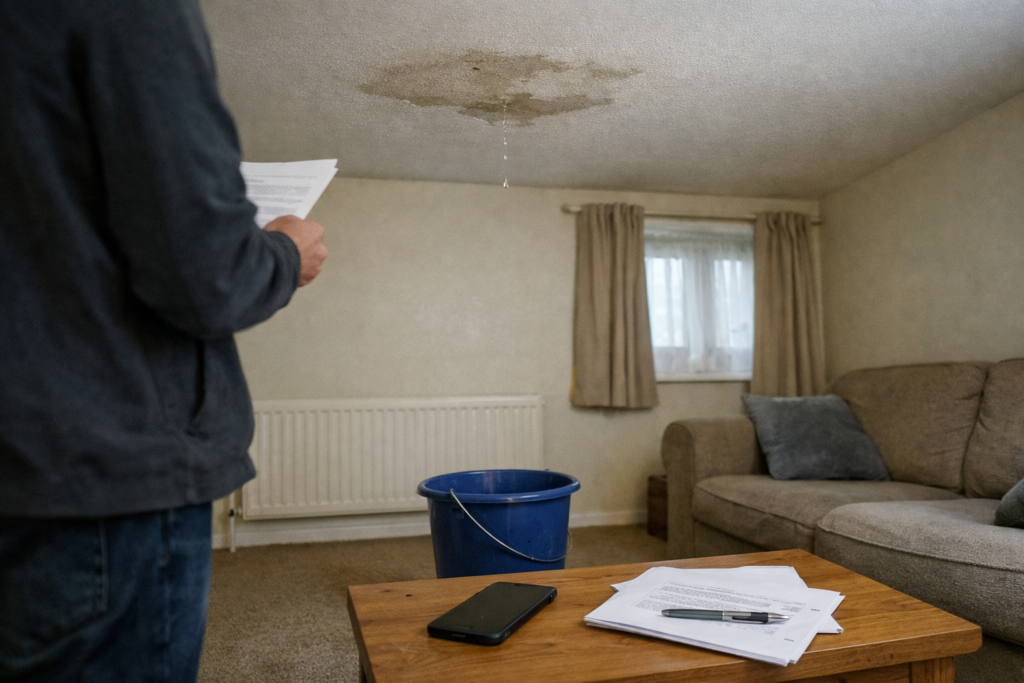
Emergency Repairs – Tenant Rights in UK
Emergency repairs in a UK rental can stall after the first report, especially when the job is misclassified or appointments slip. This explains how to document the issue, use the official process, and escalate when needed.

Housing & Tenancy
New landlord refuses responsibility for old repairs
If a new landlord refuses responsibility for old repairs, focus on a written repair request, a clear deadline, and the correct escalation route. This page sets out what to gather and what to do next in UK renting.

Housing & Tenancy
Compensation claim for disrepair disputed
If a landlord disputes compensation for disrepair, a written timeline and a firm request for a point-by-point decision usually moves things forward. This explains what to prepare, how to use the official complaints route, and when to escalate.
Housing & Tenancy
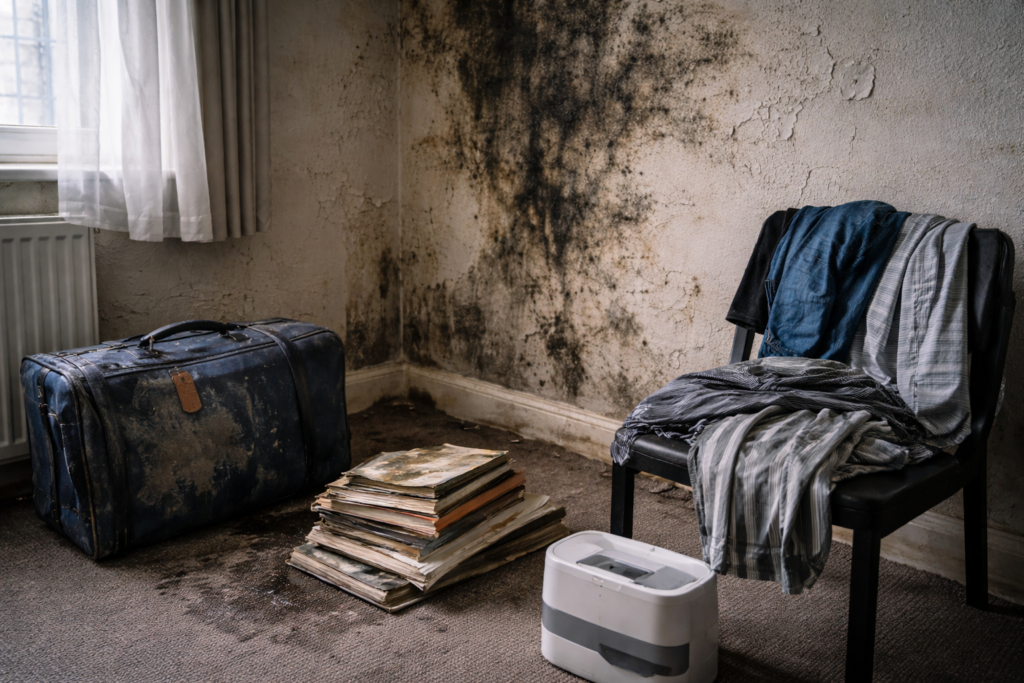
Disrepair caused damage to personal belongings
Disrepair like leaks, damp or mould can ruin belongings while repairs drag on. This explains how to document the loss, use the complaints process, and escalate at the right time.