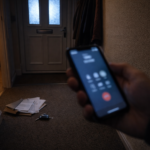
Payment plan rejected
A common UK pattern is a supplier refusing a proposed payment plan even when regular payments are being offered. It often shows up as a blunt message on the phone or in an email: “We can’t accept that amount”, “You must clear the balance faster”, or “Pay in full or we’ll move to collections”. Households usually notice it after a winter bill, a catch-up bill following estimated readings, or a sudden jump after a tariff change. The stress point is normally the same: the supplier wants a higher monthly figure than the budget allows, and the customer is left unsure whether the refusal is allowed and what to do next.
In UK cases, this tends to come with confusing account information: different balances shown on the app and bill, missing meter readings, or a payment plan that was “set up” but never actually applied. Some people are also told they must move to a prepayment meter if they cannot pay more, even when they are already paying something every month.
What it looks like at home
Most households describe one or more of these:
- Supplier demands a higher direct debit than the household can afford.
- Proposed plan is rejected without a clear reason or without checking income and essential outgoings.
- Threats of debt collection, default notices, or a prepayment meter if the higher amount is not agreed.
- Payments made, but the balance does not reduce as expected (or increases).
- Statements show estimated usage or a “catch-up” adjustment.
- Calls end with “computer says no” and no written confirmation of what was offered.
When the plan is rejected, the next bill often arrives with late payment charges or a new demand, even though payments have continued. That mismatch is usually the clue that the account data (reads, tariff dates, opening/closing reads, or payment allocation) needs checking before agreeing to anything.
Likely causes in UK cases
Check billing accuracy
The most common reason a supplier rejects a plan is that the balance is inflated or the ongoing usage estimate is wrong. Typical triggers include long runs of estimated readings, a smart meter not sending data, or a change of meter that was not recorded properly. If the supplier believes the household is using more than it really is, it will insist on a higher repayment amount.
Review affordability process
Suppliers are expected to take account of ability to pay and to offer affordable arrangements, especially where there is vulnerability or financial difficulty. In practice, call handlers sometimes skip the affordability questions, or the system defaults to a standard repayment period that is unrealistic. A refusal with no questions asked is a common complaint pattern.
Spot debt transfer issues
Where there has been a switch of supplier, a move home, or a landlord/tenant change, debt can be wrongly attributed. Another frequent issue is payments being allocated to the wrong account reference, leaving the live account showing arrears even though money has been paid.
Watch for meter problems
Faulty meters are less common than billing errors, but they do happen. More often, the meter is fine and the problem is the reading type (estimated vs actual) or a smart meter communications fault. If readings are wrong or missing, repayment demands can be based on poor data. Related checks are covered in Smart meter readings wrong.
Identify enforcement pathway
Some rejections are driven by the supplier moving the account into a collections workflow. Once that happens, staff may be restricted to set options unless the case is pulled back into complaints or specialist support. This is why getting the issue in writing and asking for a formal complaint often changes the tone.
Step-by-step fixes
Gather key evidence
Before negotiating again, collect:
- Latest bill(s) showing balance, tariff, and billing period.
- Meter serial number from the meter (photo helps) and current reading (photo with date).
- Payment proof: bank statements or screenshots of direct debit/card payments.
- Any messages where the plan was offered or rejected (email, chat transcript, SMS).
- If renting: tenancy start date and any move-in meter reading.
This usually prevents the “no record” loop and helps challenge inflated balances.
Verify the balance
Ask the supplier to confirm, in writing, how the balance is made up:
- Opening reading and date used for the current account.
- All readings used (actual/estimated/smart) and the dates.
- Tariff unit rates and standing charges for each period.
- How each payment was allocated (date, amount, and which bill).
If anything is wrong (for example, an estimated read far above the photo), request a rebill using the correct reading. If the supplier cannot explain the balance clearly, it is usually safer not to agree to a higher repayment figure until the account is corrected.
Offer an affordable plan
When proposing a plan, give a clear figure and a simple basis:
- Ongoing usage amount (current monthly cost based on recent bills/reads).
- Plus a realistic arrears amount (what can be paid without missing rent, council tax, or food).
Ask for the arrangement to be confirmed in writing with start date, payment date, and review point. If the supplier rejects it, ask what affordability assessment was used and what information is needed to reconsider.
Ask for breathing space
If there is immediate pressure (collections letters, threats of a meter change, or constant calls), ask for a hold while the bill is checked and the complaint is logged. Request that enforcement action is paused pending investigation. This is a common turning point in UK cases because it moves the account from automated chasing to a managed process.
Keep paying something
Where possible, keep paying the affordable amount offered, even if the supplier refuses to “accept” it as a plan. In many disputes, a consistent payment history helps show willingness to pay and reduces the risk of escalation. Keep proof of every payment and note the account reference used.
Escalate as a complaint
If the supplier will not engage, raise a formal complaint and include:
- The amount offered and why it is affordable.
- Any billing dispute points (wrong reads, wrong dates, missing payments).
- A request for written reasons for rejecting the plan.
- A request to pause collections while the complaint is investigated.
If the supplier stops responding or drags it out, the next steps are covered in Energy supplier ignoring complaint.
Challenge prepayment pressure
Some households are told a prepayment meter is the only option. That is not always appropriate, particularly where it would be unsafe, impractical, or unaffordable. If prepayment is raised, ask for the reasons in writing and whether vulnerability factors have been considered. If a prepayment meter is already involved and the plan is still being refused, see Prepayment meter problems.
If it’s ignored
When a rejected plan is left unresolved, the usual outcomes are predictable:
- Arrears increase due to ongoing usage plus missed repayments.
- Collections activity escalates: more letters, calls, and potential referral to a debt collection agency.
- Credit file impact can occur if the supplier reports defaults (not every case, but it happens).
- Risk of a warrant application for meter access in more serious arrears cases, especially where there is no engagement.
- Household budgeting becomes harder because demands change month to month.
Even where the balance is disputed, silence tends to be treated as non-cooperation. Keeping a paper trail and making a clear written offer usually reduces the risk of the case being pushed down an enforcement route.
When to escalate fast
Recognise urgent triggers
Escalation is usually needed quickly if any of the following appear:
- Notice of warrant, forced entry, or a planned meter exchange.
- Threats of disconnection (rare for domestic electricity, but still raised in error sometimes).
- Vulnerability factors: serious illness, disability, pregnancy, young children, or reliance on medical equipment.
- Evidence the bill is wrong by a large margin (for example, readings clearly inconsistent with the meter photo).
Prepare a clear bundle
Suppliers respond better when the evidence is organised. A simple bundle usually works:
- One-page timeline: dates of bills, calls, offers, and rejections.
- Photos of meter reading and serial number.
- Payment list with dates and amounts.
- Short budget summary showing what can be paid and why.
Ask for all responses in writing. If phone contact is unavoidable, follow up immediately by email or webchat summary: “Confirming today’s call: offered £X per month, requested pause on collections, asked for rebill using reading Y.”
FAQ
Can a supplier refuse any plan?
A supplier can reject a proposal, but it should still engage with affordability and provide a workable alternative. A refusal with no explanation or no questions about income/outgoings is a common sign the case needs to be moved into complaints.
Should payments stop if the bill…
Stopping entirely often triggers collections. In most UK disputes, continuing an affordable payment while challenging the balance is safer, unless advised otherwise by a debt adviser.
What if the balance is based…
Provide an up-to-date meter reading (with photo) and request a rebill. If a smart meter is involved, ask the supplier to confirm whether it is receiving half-hourly/daily reads and what reading type was used on the bill.
Can they force a prepayment meter?
It depends on the circumstances and process. If prepayment is being pushed, request the reasons in writing and raise any vulnerability or practical issues immediately.
How long should a complaint take?
Timescales vary, but long delays without meaningful updates are common. Keep everything in writing and ask for a clear action plan and dates.
Before you move on
Write down the exact monthly amount that is affordable, take a dated photo of the meter reading and serial number, and send the supplier a single message asking for (1) a rebill if the readings are wrong and (2) written confirmation of an affordable plan with collections paused while it’s reviewed. If you felt pushed to accept a higher payment immediately or told there was no time, that’s often a sign the process wasn’t handled properly.
Get help with the next step
If the supplier is refusing to engage or the account data looks wrong, use the contact form to outline what’s happened and what evidence is available: https://ukfixguide.com/contact/.