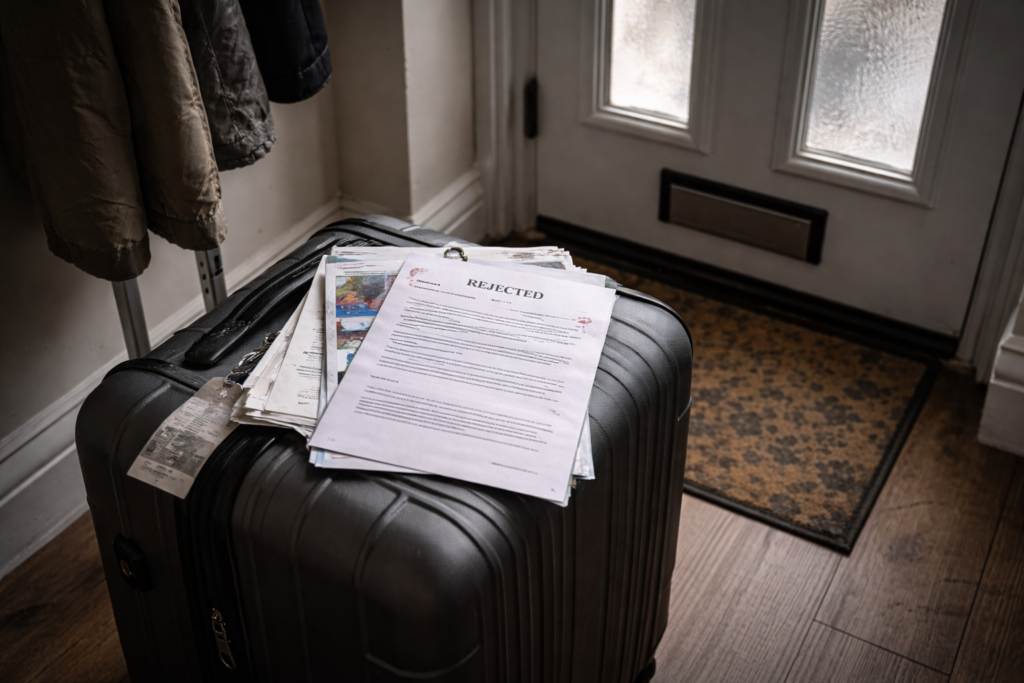
Reply to the rejection in writing and ask the holiday company to treat it as a formal complaint under its complaints process, confirming the outcome wanted and a clear deadline for a final response. If nothing is done, the rejection usually turns into silence or a repeat “computer says no” reply and the time window to escalate can tighten. Keep the focus on the remedy and the evidence, not the argument about who is to blame. If the company still refuses to engage, move to the official escalation route for package holidays rather than continuing informal back-and-forth.
What the problem is
A package holiday complaint can be rejected by the organiser or retailer after a return to the UK, often once the initial “thanks for your email” stage has passed and a first proper response arrives. This tends to affect people who had a disrupted trip, poor accommodation standards, missing services, significant delays, or a mismatch between what was sold and what was delivered. The rejection commonly lands after the customer has already provided photos and dates, and sometimes after a partial offer has been made and declined.
In UK cases, this usually appears after the company has had time to check supplier notes and decides it would rather close the file than negotiate. The wording is often framed as “not our responsibility”, “no evidence”, “raised too late”, or “not covered”, even where the complaint is about core elements of the package. The practical issue is not the original holiday problem anymore; it is the company’s refusal to treat the complaint as something it must resolve.
Why this happens
Rejections tend to happen where the organiser believes the customer will drop the matter, where supplier records are thin, or where the complaint would require a refund or compensation that affects margins. Another common cause is internal triage: complaints that look complex get pushed into a “deny and see” workflow, especially when the customer asks for a broad remedy without a clear figure or without linking the remedy to specific failures.
Some businesses also rely on friction: asking for more documents, repeating the same questions, or insisting the issue should have been fixed on the day, even when the customer did report it. A typical organisational response pattern is a short template email that rejects liability while inviting the customer to “contact the hotel” or “speak to the airline”, which shifts the work away from the package organiser.
Where the complaint includes multiple elements (transfers, room, meals, excursions), the company may try to split it into separate supplier disputes, which can make the customer feel there is no single route to resolution. This is why the next steps need to be structured around the package organiser’s responsibility and the correct escalation channel.
Your rights in practice
The strongest practical position comes from treating the organiser as the single point of responsibility for what was sold as a package, and keeping the complaint tightly tied to the contract description and what was actually provided. What usually works is a clear, written request for a specific remedy (for example, a partial refund for downgraded accommodation, reimbursement for paid-for services not provided, or a price reduction for significant loss of quality), supported by dated evidence.
Leverage tends to come from process rather than threats. A company that rejects a complaint may still change course when it is asked to issue a final response suitable for escalation, because it knows an independent scheme may review the file and the company’s handling. Keeping communications calm and consistent also helps: repeated emotional emails often get routed to low-priority queues, while a single structured reply is more likely to be handled by a complaints specialist.
Where the company claims the complaint is “out of scope”, the practical move is to restate which parts of the package were not delivered as described and to separate those from any optional extras. If the company tries to close the complaint without agreement, the file should be reopened in writing and the next escalation step triggered rather than continuing informal negotiation.
Official basis in UK
The most common official route for a rejected package holiday complaint is Alternative Dispute Resolution (ADR) where the travel company is a member of an approved ADR scheme. In practice, ADR works by requiring the customer to show the complaint was raised with the company first, then submitting the evidence and the remedy sought to the scheme for an independent decision or recommendation, depending on the scheme rules. The key is to obtain a final response or a clear deadlock position from the company, because ADR providers usually need proof the business has had a fair chance to resolve it.
To check how ADR works and what to prepare before submitting, use GOV.UK guidance and follow the steps for escalating a consumer dispute once the company’s internal process is exhausted.
Evidence that matters
Evidence that tends to move a rejected package holiday complaint is evidence that is dated, specific, and tied to what was promised. Screenshots of the booking page, the confirmation invoice, and the itinerary are often more persuasive than general descriptions. Photos and videos help most when they show scale and context (for example, the room category, missing facilities, or safety issues) and when they are backed by timestamps or messages sent during the trip.
Records of reporting the issue during the holiday matter because companies often reject complaints on the basis that the organiser was not given the chance to fix it. This can include WhatsApp messages to the rep, emails to the organiser, reception complaint logs, or call records. Bank statements and receipts matter where the remedy includes reimbursement for replacement services, extra transport, or meals that should have been included.
Useful documents
A short, ordered bundle is easier for a complaints handler to accept than a large folder of mixed screenshots. Keep one version that can be forwarded to ADR without editing.
What to avoid
Do not send original documents that cannot be replaced, and do not edit images in a way that could be challenged as misleading. Do not post allegations on social media yet, because it can harden the company’s stance and complicate later resolution.
Quick checklist
- Booking confirmation and full holiday description as sold
- Timeline of what happened, with dates and locations
- Proof the issue was reported during the trip
- Photos, videos, and receipts linked to specific failures
Three common mistakes are sending a long narrative with no remedy requested, relying on blurry photos without context, and missing the company’s complaint reference number in replies. One thing not to do yet is to accept a partial voucher or goodwill offer if it closes the complaint and the remedy is not actually acceptable.
What to do next
Start with a single written reply to the rejection that keeps the complaint alive and forces a final position. The aim is to either get a revised offer or obtain a deadlock response that can be used for ADR.
Reply in writing
Respond to the rejection email (or letter) and ask for the complaint to be reviewed by a complaints manager. State the booking reference, the dates, the key failures in two or three lines, and the exact remedy sought. Ask the company to confirm whether this is its final response suitable for ADR, and request a written deadlock letter if it will not change its decision.
Set a deadline
Give a clear deadline for a final response and keep it reasonable; in UK complaint handling, a normal timeframe is around 14 days for a substantive reply once the evidence is provided. If the company says it needs more time, ask for a dated update and confirm that the complaint remains open until a final response is issued.
Use official process
If the company has an online complaints portal or webform, use the official complaints process only and upload the evidence there as well, because many travel firms treat portal submissions as the formal record. The form is normally found under “Help”, “Customer relations”, or “Complaints” on the company website; prepare the booking reference, passenger names, travel dates, a short timeline, and the remedy amount or outcome sought before starting. Do not recreate the form in an email or add unnecessary personal data beyond what the company already holds for the booking.
Escalate correctly
If there is no response by the deadline, send one chaser that repeats the request for a final response and states that ADR will be used if the company does not reply. Where the company claims a time limit has been missed, it helps to check whether the company itself missed its promised response date and to keep the escalation focused on that failure; the situation described in Formal complaint deadline missed by company is a common turning point for moving from negotiation to formal escalation.
Change strategy
If the company keeps rejecting without engaging with the evidence, stop expanding the narrative and switch to a structured bundle: one page summary, then attachments in order. If the company offers a small goodwill amount, decide whether it matches the actual loss of value and costs; if it does not, reject it in writing and restate the remedy sought. One sentence stating when the issue is usually resolved in UK cases: Many package holiday disputes settle once a final response is requested and ADR is mentioned in a calm, evidence-led way.
Related issues on this site
If the rejection is framed as the complaint being outside what the company will deal with, the pattern in Company rejects complaint as “out of scope” can help decide whether to narrow the complaint to core package elements or to split out optional extras. If the company has closed the case while still disputing the remedy, the steps in Complaint marked resolved without consent are relevant when the next move is to reopen the complaint and obtain a final response for escalation.
FAQ and quick checks
Deadlock letter timing
Deadlock letter for package holiday complaint escalation is usually requested after a clear rejection or after a reasonable deadline passes without a proper response. Ask the company to confirm in writing that it will not change its decision.
Voucher offer limits
Voucher offer for rejected package holiday complaint should only be accepted if the terms do not waive the right to pursue the remaining complaint. If the voucher is “full and final”, it normally closes off ADR for the same issue.
Evidence during travel
Evidence reported during the holiday complaint is often the difference between a review and a flat rejection. A message to the rep or organiser showing the issue was raised at the time is usually enough to counter “no opportunity to fix”.
Partial refund scope
Partial refund for package holiday complaint is typically based on the loss of value of what was promised versus what was delivered. Keep the request tied to specific elements such as room type, board basis, or missing services.
Before you move on
Keep the next message short, dated, and focused on the remedy and the request for a final response suitable for ADR, then stop feeding the same argument loop. Time pressure can show up when a company pushes a quick voucher or “today only” goodwill offer to close the file.
Get help with the next step
Contact UKFixGuide — Share the rejection wording and the remedy being sought so the next reply can be shaped for a final response and ADR-ready escalation.