
What it looks like at home
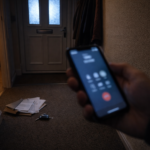
In many UK rentals, the first sign is silence: emails go unanswered, calls go to voicemail, and texts get a brief “will look into it” that never turns into a visit. The problem often sits alongside a repair that is getting worse—damp spreading behind furniture, a boiler cutting out, a leaking waste pipe under the sink, or an extractor fan that has stopped and mould returning in the bathroom.
Typical patterns include a landlord replying only when rent is mentioned, asking the tenant to “find a tradesperson” but not approving costs, or insisting the issue is “condensation” without inspecting. Agents can add another layer: the tenant reports to the letting agent, the agent says it has “chased the landlord”, and weeks pass with no appointment.
In shared houses and flats, the impact is usually practical rather than dramatic at first: higher heating use to fight damp, dehumidifiers running, towels on the floor for drips, and constant rearranging to protect belongings. Over time, it becomes a health and safety issue, especially where there is mould, electrical risk, or loss of hot water.
Common reasons landlords go quiet
Delay to avoid costs
The most common reason is simple: repairs cost money, and some landlords delay until pushed. This is especially common with recurring issues (roof leaks, rising damp, old boilers) where a quick patch has failed before.
Agent–landlord bottlenecks
Where a letting agent manages the property, the agent may need landlord approval for spend above a limit. If the landlord is slow to respond, the agent may not book work, even if the tenant is reporting urgent problems.
Disputes about responsibility
Landlords sometimes argue the tenant caused the issue (mould, blocked drains, broken appliances). Silence can follow if there is a fear of being held liable, particularly when photos suggest long-term deterioration.
Missing contact details
Emails can land in spam, phone numbers change, or the tenant is contacting an old agent inbox. This is common after a property sale, a change of managing agent, or a landlord moving abroad.
Informal reporting only
Repairs reported only by phone or in casual texts can be treated as “not properly logged”. When things escalate, the lack of a clear written timeline often slows resolution.
Checks before escalating
Confirm the right contact
Check the tenancy agreement for the landlord’s address for notices and the managing agent’s repair reporting route. If there is an online portal, log the issue there as well as by email. If the property has changed agents, confirm the current manager in writing.
Separate urgent from routine
Landlords and agents tend to react faster when the message is specific about risk: no heating/hot water, water leak affecting electrics, suspected gas issue, insecure external door, or significant mould affecting a bedroom. Put the most urgent issue at the top and keep the rest as a numbered list.
Collect basic evidence
Take dated photos and short videos showing the problem and the wider context (for example, the leak plus the ceiling stain, or the boiler fault code plus the radiator temperature). Keep screenshots of call logs and copies of emails. If there is mould, note which rooms, how quickly it returns after cleaning, and whether windows/extractors work.
Check for simple triggers
Some issues have quick checks that help avoid arguments later. For a boiler cutting out: note pressure readings and any error codes. For damp: check if extractor fans run, trickle vents open, and whether there is a visible external defect (guttering overflow, cracked render). For leaks: identify whether it is clean water, waste water, or rainwater ingress.
Step-by-step actions that work
Send a clear repair notice
Send one email (and a matching letter if possible) titled “Repair request – [address] – [issue]”. Include: what is happening, when it started, what has been tried, and what access times are available. Attach photos. Ask for a response within a reasonable timeframe (for urgent issues, 24–48 hours; for non-urgent, 7 days) and for a proposed appointment date.
Use a single timeline
Keep all updates in one email thread so the history is obvious. If calls are made, follow up with a short email: “Call at 14:10 today – no answer. Please confirm next steps.” This usually reduces “no record of that” disputes.
Flag hazards plainly
If there is a safety risk, state it without drama: “Water is leaking near the consumer unit”, “No hot water for 5 days”, “Mould in the bedroom affecting sleep”. Where relevant, mention vulnerable occupants (children, asthma) factually.
Request an inspection date
Where the cause is disputed (damp, recurring leaks), ask for an inspection rather than a debate by email. Many UK cases move forward once a date is offered, even if the repair comes later.
Escalate through the agent
If there is a letting agent, use their formal complaints route. Ask for the complaint reference number and the name of the person handling it. Agents often respond faster once a complaint is logged because it creates internal deadlines.
Use the council when needed
If there is serious disrepair or a hazard and the landlord still does not act, the local council’s Environmental Health or Private Sector Housing team can inspect and, where appropriate, take enforcement action. This is most effective with a clear paper trail and photos. For a structured escalation path, see Landlord ignoring repairs — escalation steps in the UK.
Handle emergencies safely
If there is a suspected gas leak, leave the property and follow emergency advice rather than waiting for a reply. If there is an active water leak, use the stopcock if safe and notify the agent/landlord immediately in writing. For electrical danger (sparking, water near electrics), avoid the area and seek urgent professional help.
Avoid rent withholding
Withholding rent is a common mistake that can create arrears and weaken a tenant’s position, even when repairs are genuinely needed. A better approach is to keep paying rent and build evidence, while escalating through formal channels.
What happens if it’s ignored
Damage spreads quickly
Small leaks often become ceiling damage, rotten flooring, or mould behind units. Damp can spread to wardrobes and soft furnishings, and redecorating later rarely fixes the underlying cause if ventilation or building defects are not addressed.
Costs shift onto tenants
Tenants often end up paying for temporary fixes: dehumidifiers, extra heating, mould spray, laundrette costs, or replacing damaged items. Even where compensation is possible later, it usually takes time and evidence.
Health and safety risks rise
Persistent mould can aggravate asthma and allergies. Loss of heating/hot water can become a safeguarding issue in cold weather. Water ingress near electrics is a genuine hazard that should not be left to “see if it dries out”.
Disputes harden
When months pass, communication tends to become defensive. Landlords may argue the tenant “never reported it properly”, while tenants feel ignored. A clear written trail early on usually prevents this.
When to escalate further
Recognise urgent thresholds
Escalation is usually justified when there is no heating/hot water for an extended period, an ongoing leak, unsafe electrics, significant mould in living/sleeping areas, pest entry caused by disrepair, or security issues (broken locks/doors). Repeated missed appointments with no rebooking is another common trigger.
Prepare a simple evidence pack
Useful evidence in UK cases tends to be practical: the tenancy agreement pages showing repair reporting details, a timeline of contacts, dated photos/videos, copies of any contractor notes, and receipts for reasonable out-of-pocket costs caused by the disrepair. If there is a medical impact, a brief note of symptoms and dates can help, without oversharing.
Ask for written decisions
If the landlord or agent claims the tenant is responsible, ask for that decision in writing with reasons and any evidence relied on. This often prompts a more careful review and can be useful if the council or a redress scheme becomes involved.
Use trusted advice routes
For rights, complaint routes, and next steps, use Citizens Advice and relevant GOV.UK guidance. These sources help confirm what applies in a specific tenancy type (private, council, housing association) and what formal notices or processes are available.
FAQ
How long should a landlord take?
It depends on urgency. Loss of heating/hot water, active leaks, and safety hazards are usually treated as urgent and should be acted on quickly. Non-urgent repairs can reasonably take longer, but silence for weeks is a common sign escalation is needed.
Should repairs be reported by phone?
Phone calls help for speed, but follow up in writing. Written reporting creates a clear record and reduces disputes about what was said and when.
Can a tenant arrange repairs and…
This can be risky and is often disputed. If considering it, get written agreement first or take advice, because deductions can be treated as rent arrears.
What if the letting agent says…
If the agent manages repairs under the agreement, keep reporting through their process and use their complaints route. If the agent is only “introducing” and not managing, contact the landlord using the address for notices in the tenancy agreement.
Does mould always mean the landlord…
Not always. Some mould is linked to ventilation and heating patterns, but recurring mould alongside building defects (leaks, failed fans, cold bridges, broken windows) often points to disrepair. Evidence of defective ventilation or water ingress usually strengthens the case.
Will complaining risk eviction?
Tenants often worry about this. Keeping communication factual, using formal channels, and building evidence tends to reduce risk and helps if any dispute arises later.
Before you move on
Write a one-page timeline (dates, what happened, who was contacted) and send a single repair notice with photos, asking for an inspection or appointment date. If you felt pushed to accept a quick workaround or told there was no time, that’s often a sign the process wasn’t handled properly.
Get help with the next step
If the landlord or agent is still not responding, get a clear plan in place and keep the evidence tidy before the situation drags on. Use the contact form at https://ukfixguide.com/contact/ to describe the issue, what you’ve tried, and what outcome is needed.




2 thoughts on “Landlord ignoring emails and calls”