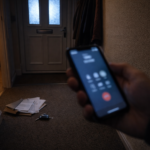
Reply in writing today, set clear access times, and ask for the reason and notice for each visit. If nothing is done, repeated access demands often continue and can start to feel like pressure after a complaint. Keep communication calm, stick to reasonable arrangements, and escalate through the landlord’s formal complaints route if the behaviour does not settle.
Where access is genuinely needed for repairs or safety checks, agreeing a sensible appointment usually stops the back-and-forth. Where the requests look like retaliation or disruption, a written boundary and a paper trail usually makes the landlord slow down or switch to proper notice.
What the problem is
This tends to show up in UK private renting after a tenant has raised a complaint, reported disrepair, asked for a rent reduction, challenged charges, or contacted the council. The landlord (or agent) starts requesting access repeatedly, sometimes for vague “inspections”, “viewings”, “checks”, or “contractor visits” that keep changing. It often appears after the tenant has already tried to resolve something informally and has either received a partial response or no meaningful response to the original complaint.
In practice, the issue is rarely a single request. It is the frequency, the short notice, the shifting reasons, and the pressure to agree immediately that makes it disruptive. Tenants working shifts, caring for children, or managing health conditions are often hit hardest because repeated appointments create stress and practical disruption. It can also affect households where someone is vulnerable or where there has already been tension about repairs, deposits, or rent arrears.
Why this happens
Repeated access demands usually come from one of three drivers: the landlord wants to check the condition of the property after a complaint, the landlord wants to gather evidence to defend a dispute, or the landlord wants to reassert control when the tenant has pushed back. Agents can add to the problem by treating access as a routine admin task and sending automated messages whenever a contractor has a gap, without checking whether the last appointment was actually necessary.
Another common cause is poor repair management. If a landlord has not properly instructed a contractor, the contractor may attend, find they cannot do the job, and the landlord then asks for access again for a different trade. The tenant experiences this as repeated intrusion, but the underlying issue is disorganised maintenance and a lack of planning.
A typical organisational response pattern is that messages become more frequent and less specific until the tenant pushes back in writing and asks for dates, times, and a clear purpose.
There is also an incentive problem. If a landlord believes a tenant is likely to leave, they may start lining up viewings or “pre-marketing” checks early. If a landlord is worried about enforcement action over disrepair, they may try to create a record that access was “refused”, even where the tenant has simply asked for reasonable notice and a workable time.
Your UK position
In the UK, tenants generally have strong practical leverage around quiet enjoyment and reasonable access arrangements. The most effective approach is not to refuse access outright, but to offer reasonable dates and times, ask for proper notice, and require each visit to have a clear purpose. This keeps the tenant looking cooperative while stopping the landlord from using constant requests as a pressure tactic.
What usually works is a firm written boundary: access by appointment only, with a minimum notice period, and with confirmation of who is attending and what they will do. If the landlord is genuinely trying to fix something, they will normally accept a sensible slot. If the landlord is trying to unsettle the tenant, they often react badly to written boundaries, which is useful because it creates evidence of unreasonable behaviour.
It also helps to separate “repairs access” from “inspection access”. Repairs can be urgent and may justify quicker arrangements, but even then the tenant can ask for a specific time window and identification for anyone attending. Routine inspections are rarely urgent, and repeated inspections close together are hard to justify in normal tenancies.
Where the landlord threatens entry without agreement, the practical position is to keep everything in writing, do not get drawn into arguments, and focus on what is being offered: reasonable access on reasonable notice. If there is already a disrepair dispute, it can help to keep the repair issue and the access issue in separate threads so the landlord cannot claim confusion.
If the access demands started after a repair complaint, it can be useful to compare the landlord’s behaviour with what is expected in a normal repair process. UKFixGuide’s notes on landlord not fixing repairs can help clarify what a reasonable repair timeline and communication pattern usually looks like in UK renting.
Official basis in UK
The practical official basis to rely on is the Housing Ombudsman’s complaint-handling framework for landlords who are members, which focuses on fair process, clear communication, and putting things right where behaviour causes distress or inconvenience. In practice, this means the tenant should use the landlord’s published complaints process, ask for a written response, and then escalate if the landlord does not address the repeated access behaviour or fails to explain why the visits are needed.
Where the landlord is covered, the Ombudsman route tends to work best when the tenant can show a timeline: complaint made, access requests increased, reasonable alternatives offered, and the landlord continued to press without clear reasons. The Ombudsman is not a fast emergency tool, but it is effective for patterns of unreasonable conduct and poor complaint handling.
Details on how the Housing Ombudsman process works and how to complain are set out on GOV.UK guidance.
Evidence that matters
The strongest evidence is boring and consistent: dates, messages, and what was offered. Save every text, email, and letter about access, including missed appointments and last-minute changes. If calls happen, follow up with a short email confirming what was said and what access is being offered.
Keep the focus on reasonableness. Evidence that shows cooperation is powerful: offering two or three time slots, asking for confirmation of the contractor, and requesting a clear purpose for the visit. If the landlord claims “refusal”, the written record should show that access was offered but not on unreasonable terms.
What not to do is escalate the tone. Angry messages, threats, or sarcasm can be quoted back later to suggest the tenant is being obstructive. It is also risky to agree to open-ended access such as “any time next week”, because it creates more opportunities for disputes about whether access was actually available.
Checklist to gather:
- Timeline of access requests with dates, times, and stated reasons
- Copies of all messages and any photos of notices left at the property
- Notes of any attendance, including who arrived and what happened
- Evidence of reasonable alternative appointments offered
Three common mistakes seen in UK cases are agreeing to repeated visits without asking what they are for, refusing all access in frustration, and relying on phone calls without a written follow-up.
One thing not to do yet is change the locks without checking the tenancy terms and without taking advice, because it can escalate the dispute and distract from the main issue of unreasonable requests.
Steps to take
Send boundaries
Send a calm written reply that does three things: asks for the purpose of the visit, asks for reasonable notice, and offers specific appointment windows. Keep it short and repeatable, because it may need to be sent more than once. If the landlord is using an agent, copy the agent and the landlord if possible, so there is no gap in the record.
Offer appointments
Offer two or three options within the next week or two, depending on urgency. For repairs that affect safety or essential services, offer the earliest workable slot and a shorter time window. For routine checks, offer times that fit normal life and do not accept repeated visits close together unless there is a clear reason.
Confirm attendance
Ask for the name of the person attending, the company, and what they will do. Ask for confirmation on the day that they are still coming, because repeated no-shows are common when access is being used as a pressure tactic. If someone turns up outside the agreed time, it is usually best to restate the agreed arrangement in writing rather than argue on the doorstep.
Use complaints
If the requests continue or become more aggressive, use the landlord or agent’s official complaints process only. The complaints route is usually found on the landlord’s website, the agent’s website, or in the tenancy paperwork under “complaints” or “customer care”. Prepare the timeline, copies of messages, and a clear statement of what is being asked for: access by appointment only, reasonable notice, and no repeated visits without a specific purpose.
Checklist to prepare for the official complaint:
- One-page timeline of requests and responses
- Three example messages showing frequency or short notice
- Dates and times offered for access
- What outcome is being requested in writing
A normal response timeframe is within a few weeks, often with an initial acknowledgement sooner. If there is no response by the stated complaints deadline (or by the end of the landlord’s stage-one timeframe if one is published), escalate to the next stage in writing the next working day and attach the original complaint and evidence again. If the landlord refuses to move it to the next stage, ask for a final response letter so the matter can be taken outside the landlord’s process where applicable.
One neutral typical UK outcome is that the landlord switches to fewer, better-explained appointments once a written complaint and clear access options are on file.
Change approach
If the landlord’s stated reason is repairs but the visits are not progressing the repair, change strategy by insisting on a single planned appointment with the right trade and a clear scope of work. If the stated reason is inspection or viewings and the frequency is disruptive, keep offering reasonable slots but ask the landlord to group visits and confirm in writing that no one will attend without agreement.
The issue is usually resolved when the landlord accepts a fixed schedule for access and stops sending repeated ad-hoc requests, or when the complaint process forces a manager to review the pattern and set limits.
Related issues nearby
If repeated access demands are paired with threats about ending the tenancy, it may be useful to compare the messages against common eviction pressure patterns, especially where the timing follows a complaint. Where the landlord is also withholding repairs or blaming “no access” for delays, the repair dispute may need to be handled alongside the access issue so the record stays clear. In those situations, UKFixGuide’s pages on harassment by landlord and the earlier repair topic can help separate what is reasonable from what tends to be used as leverage.
Get help with the next step
Contact UKFixGuide — Share the wording and timing of the access requests and the dates already offered, and a response can be shaped to keep access reasonable without escalating the dispute.