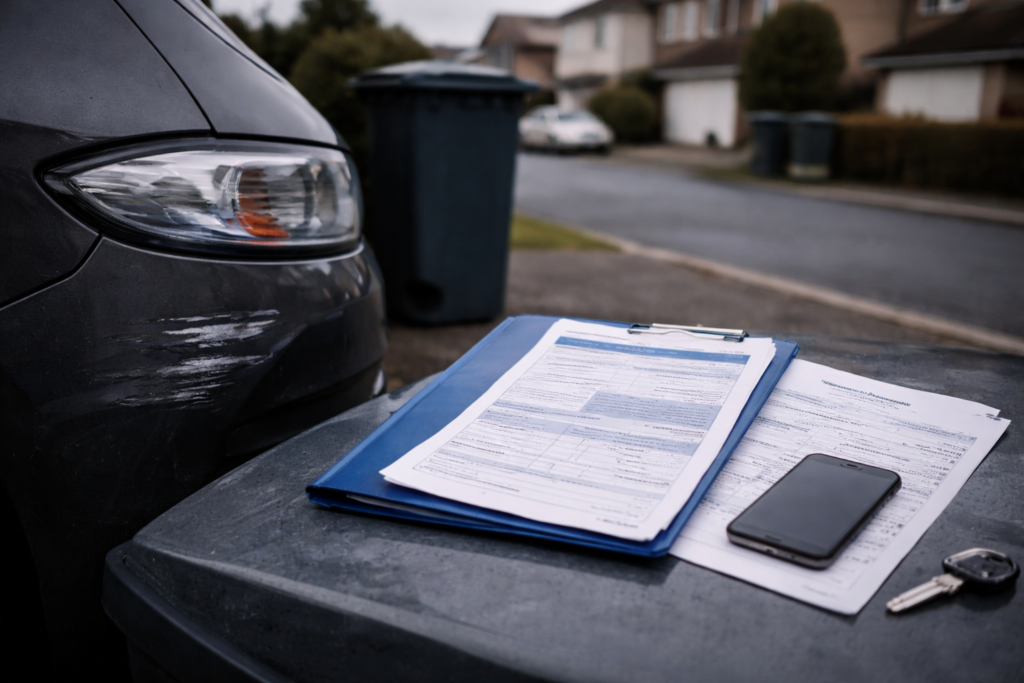
If an insurer is demanding an excess you do not owe (or a higher excess than agreed), this is usually a policy/claim handling dispute and the next step is to raise a formal complaint and, if not resolved within 8 weeks or you get a deadlock letter, take it to the Financial Ombudsman Service.
What’s happening
An “excess dispute” usually shows up at the worst moment: a claim is accepted in principle, but the insurer (or the repairer acting for them) says an excess must be paid before work starts, or the settlement is reduced by an amount that feels wrong. In UK cases, the disagreement is rarely about whether an excess exists at all; it is more often about which excess applies, whether it should be waived, or whether it has been applied twice.
Typical patterns seen in UK insurance claims include:
- The excess is higher than expected because the policy has both a compulsory excess and a voluntary excess, and both are being added together.
- A separate excess is applied for a specific type of claim (for example, escape of water, subsidence, accidental damage, windstorm, or theft from an outbuilding) and it is not clearly explained at the point of sale.
- Two excesses are demanded where there are two “events” (for example, storm damage and subsequent water ingress), or where there are two policies involved (buildings and contents), even though the damage feels like one incident.
- An excess is demanded from the wrong person in motor claims where another driver is at fault, or where a non-fault claim is being handled through the policy before recovery from the third party insurer.
- The excess is being taken despite an add-on such as “excess protection” or “protected no claims”, which is often misunderstood and does not always do what people assume.
- The insurer says the excess is “per claim” but the consumer expected it to be “per year” (or vice versa), especially with home emergency or gadget cover sold as an add-on.
What usually makes this stressful is timing. Repairs can be delayed, hire cars can be refused, and contractors may not start until the excess is paid. Insurers and repair networks sometimes treat the excess as a simple payment step, but if the excess amount is wrong, paying it without challenge can make the dispute harder later (not impossible, but harder).
Common real-world examples
- Home insurance escape of water: the schedule shows a standard £250 excess, but the insurer applies a £1,000 “escape of water” excess buried in the wording.
- Motor non-fault claim: the insurer asks for the excess up front even though the other driver admitted liability; later it may be recoverable, but it is not always explained.
- Accidental damage add-on: the consumer paid extra for accidental damage cover and expects no excess, but the policy still has an excess and the add-on only expands what is covered.
What the law says (UK)
Insurers must handle claims fairly and communicate information in a way that is clear, fair and not misleading under FCA rules, and where the excess applied is not the one set out in the policy documents provided at sale/renewal (or the insurer cannot show it was properly disclosed), the consumer can complain and seek correction and reimbursement; the usual escalation route is the insurer’s formal complaints process followed by the Financial Ombudsman Service if unresolved after 8 weeks or on receipt of a final response, and the key legal/regulatory basis is FCA rules (ICOBS 8.1.1R) – claims must be handled promptly and fairly, with practical complaint steps set out by Citizens Advice. Source: Citizens Advice.
Steps to fix
Check the exact excess
Pull the documents that actually set the contract: the latest schedule (often called “policy schedule” or “statement of insurance”), the certificate (motor), and the full policy wording for the relevant section. Look for:
- Compulsory excess and voluntary excess (these usually add together).
- Section-specific excesses (escape of water, subsidence, accidental damage, storm, theft, malicious damage).
- Endorsements (special terms added to the schedule that override the standard wording).
- Per claim vs per incident wording, and whether multiple items are treated as one claim.
If the insurer is quoting an excess that cannot be found in the schedule/wording, that is a strong starting point for a challenge.
Pin down the “event”
Insurers often decide the excess based on how they define the cause. Write a short timeline with dates and what happened first. For example: “High winds dislodged tiles on 3 Dec; rain entered on 4 Dec; ceiling stain noticed on 5 Dec.” If the insurer is trying to apply multiple excesses, ask them to explain why they consider it more than one insured event and which policy term they rely on.
Ask for the calculation in writing
Request a written breakdown that shows:
- the excess amount(s) applied
- the policy clause or schedule line for each excess
- whether the excess is being taken from a cash settlement or must be paid to a repairer
- if it is a non-fault motor claim, whether and how the excess will be recovered
In UK complaints, outcomes are better when the insurer has to commit to a clear explanation rather than a call-centre summary.
Separate “excess” from “uninsured work”
Repair networks sometimes mix two different things: the policy excess (a fixed amount you pay) and additional costs for work the insurer says is not covered (betterment, upgrades, wear and tear, pre-existing damage). Ask the repairer to itemise what is excess and what is uninsured work. If uninsured work is being demanded, ask the insurer to confirm in writing that it is not covered and why.
Use the right complaint wording
Send a short complaint email or letter to the insurer’s complaints address (not just the claims handler). Include:
- policy number and claim reference
- the excess you believe applies (quote the schedule line)
- the excess they are demanding
- what you want: “apply the correct excess and refund/waive the difference”
- any deadline pressure (repairs on hold, car off road)
Ask for confirmation that the message is logged as a formal complaint and request a copy of the insurer’s complaints procedure.
Keep the claim moving
If repairs are urgent (for example, water ingress, security after a break-in, or a car needed for work), ask the insurer for an interim solution while the excess dispute is reviewed. Common workable options include:
- paying the undisputed portion of the excess only
- agreeing that the insurer will proceed and adjust the excess later if the complaint is upheld
- using a temporary repair to prevent further damage (with photos and receipts)
Get any agreement in writing. If the insurer refuses, record the impact (additional damage risk, inability to use the vehicle, alternative accommodation issues).
Gather the evidence that matters
For excess disputes, the most persuasive evidence is usually paperwork rather than photos. Useful items include:
- policy schedule and endorsements for the current year
- renewal invitation showing any changes to excess
- sales call notes or online journey screenshots (if available)
- claim notes showing what the insurer told you about the excess and when
- repair estimate and any demand for payment
If the dispute is about what was disclosed at sale/renewal, keep the renewal email pack and any “Important changes” summary.
Consider payment recovery routes
If an excess has already been paid and later turns out to be wrong, the aim is reimbursement from the insurer. If payment was made by card to a repairer or intermediary and there is a separate dispute about what was charged, it may also help to understand card protections; the internal explainer Chargeback vs Section 75 is useful for deciding what to ask the card provider for, but it should not replace the insurer complaint route where the excess is a policy issue.
Track deadlines and responses
Insurers have set complaint handling timeframes. Keep a simple log: date complained, who replied, what was promised, and whether a final response letter has been issued. If the insurer sends a “final response” (sometimes called “deadlock”), keep it safe; it is often needed for the ombudsman stage.
What NOT to do
- Do not rely on what a comparison site showed if it conflicts with the schedule; the schedule and endorsements usually control the excess.
- Do not assume “excess protection” means no excess; it often means reimbursement later, sometimes only in certain circumstances.
- Do not pay a disputed excess in cash without a receipt; if payment is unavoidable to release a vehicle or start repairs, pay by card and keep proof and written confirmation it is “paid under protest” pending complaint.
- Do not let a repairer pressure a quick decision on upgrades or additional work; uninsured work can be hard to unwind once authorised.
- Do not miss the complaint trail by only speaking on the phone; follow up calls with an email summary so there is a record.
- Do not cancel the policy mid-claim without advice; it can create extra disputes about cover, premium, and claim handling.
- Do not exaggerate the cause to fit a lower excess category; inconsistent accounts are a common reason insurers dig in.
What happens if it’s ignored
When an excess dispute is left unresolved, the practical impact tends to escalate quickly:
- Repairs stall because the network contractor will not start, or a vehicle is not released until the excess is paid.
- Costs increase due to additional damage (for example, water damage spreading) or extended hire/alternative travel.
- Settlement is reduced and the consumer accepts less than expected, then struggles to reopen the issue later because the insurer treats it as agreed.
- Credit and debt issues can arise if a repairer invoices directly and chases payment, especially where the consumer thought the insurer was paying.
- Time limits tighten for escalation; ombudsman complaints are easier when raised promptly and while evidence is fresh.
In many UK cases, the dispute is not about a huge sum, but the knock-on effect (delays, additional damage, temporary accommodation, lost use of a car) becomes the bigger problem.
When to escalate
Escalate inside the insurer
Escalation is usually appropriate as soon as the insurer cannot point to the exact schedule line or policy clause supporting the excess demanded. Ask for the complaint to be reviewed by a complaints handler (not the claims team) and request a written final response if the insurer maintains its position.
Go to the ombudsman
If the complaint is not resolved within 8 weeks, or a final response letter is received earlier, the next step is the Financial Ombudsman Service. In typical outcomes, the ombudsman focuses on what was disclosed, whether the policy wording supports the insurer’s position, and whether the insurer handled the claim fairly. Keep the dispute narrow: the excess amount, where it comes from, and what remedy is needed (apply correct excess, refund difference, compensate for delay if appropriate).
Use specialist help
If the claim relates to housing conditions (for example, water damage in a rented home where landlord responsibilities and insurance overlap), it can help to get independent housing advice alongside the insurance complaint; Shelter (housing advice) is a useful starting point for tenancy-related repair responsibilities. For general consumer complaint support and letter templates, Citizens Advice is commonly used.
FAQ
Can an insurer add compulsory and…
Yes, that is common in UK policies; the schedule usually shows both, and they are typically added together unless the policy says otherwise.
Is the excess per claim or…
Most mainstream policies apply the excess per claim/incident, but some add-ons and specialist covers can apply it per section or per event; the wording and endorsements decide.
Why is the excess higher for…
Many UK home insurers set a higher excess for escape of water due to claim costs; it should be clearly stated in the schedule or the relevant section of the wording.
Do you pay an excess in…
Often yes at first if claiming on your own policy, with recovery later from the at-fault insurer; the insurer should explain the recovery process and expected timescales.
What if the insurer never told…
Complain and ask the insurer to show where it was disclosed at sale/renewal; if they cannot, that is a strong point for the complaint and ombudsman review.
Can the repairer demand the excess…
Yes, many network repairers do, but they should be able to show it is the insurer’s stated excess and provide a receipt; if the amount is disputed, ask the insurer to confirm in writing.
Before you move on
Collect the schedule, endorsements, and the insurer’s written excess breakdown, then submit a formal complaint asking for a final response, and if you felt pushed to pay quickly to keep repairs moving, that pressure is often a sign the dispute needs written confirmation before money changes hands.
Get help with the next step
If the insurer is holding up repairs or insisting on the wrong excess, send the key documents and the timeline for a practical next-step plan via https://ukfixguide.com/contact/.