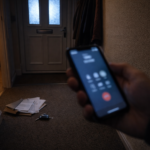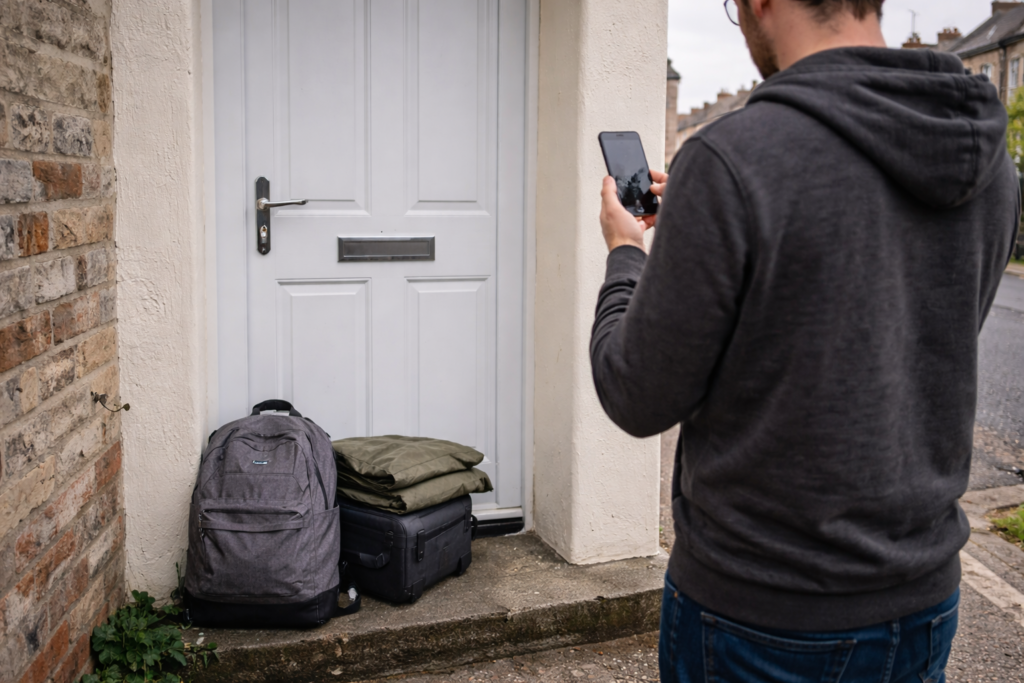
Contact the council’s private renting or housing team today and say an illegal eviction is happening or has just happened, then ask for an urgent call-back. If nothing is done, the situation usually drifts into lost access to the home, missing belongings, and pressure to “just move on” without a proper process. Keep communications in writing from this point and start a timeline of exactly what changed and when. If there is any immediate risk, call 999.
Most people get further by treating this as an urgent enforcement issue, not a “tenancy dispute” to argue about by text. Practical progress often comes from a clear record of exclusion, a written demand to restore access, and quick involvement of the local authority. If access is restored, the next step is to stabilise the tenancy position and stop repeat attempts.
What the problem is
Illegal eviction in the UK usually shows up as being locked out, being told the tenancy is “over” without a court order, or finding that utilities have been cut to force a move. It affects private renters most often, including people in HMOs, people renting a room in a shared house, and tenants on periodic agreements where the landlord believes notice alone is enough. It also happens to people who have complained about repairs or rent increases and then see sudden pressure to leave.
This tends to appear after a tense exchange rather than at the start of a tenancy: a repair request that goes nowhere, a partial response to a complaint, or a deadline that the landlord sets unilaterally (“out by Friday”). Sometimes it follows a “final warning” message or a demand to hand back keys, and then the locks are changed while the tenant is at work. Where there is an agent, the tenant may be told the landlord has “authorised” the change, as if that makes it lawful.
Why this happens
The common driver is speed and control: removing access is faster than following the possession process, and it avoids the time and cost of court. Some landlords also assume that if rent is owed, the tenant has fewer protections, or that a fixed term ending means the tenant must leave immediately. In shared houses, there can be confusion (sometimes deliberate) about whether someone is a lodger or a tenant, and that confusion gets used to justify sudden lock changes.
Business behaviour often follows a predictable incentive: if the tenant leaves quietly, the landlord can re-let quickly and avoid scrutiny. Agents may frame it as “just a change of locks for security” or “a mutual end,” and then push for a quick handover of keys and a promise not to return. A typical organisational response pattern is to deny responsibility at first, then offer a “compromise” that still keeps the tenant out unless the tenant accepts conditions.
Your rights in practice
In day-to-day UK cases, leverage comes from focusing on access and process rather than arguing about who is “in the right” about rent or complaints. If the home is being treated as the tenant’s main residence and the landlord has excluded the tenant without a court order, that is usually treated as serious. Councils can act quickly when there is clear evidence of exclusion, threats, or harassment, and police may assist where there is a breach of the peace risk or criminal behaviour.
Practical steps that tend to work are: making it clear that access must be restored, keeping everything in writing, and involving the council early so the landlord understands there will be consequences. If belongings are inside, that often strengthens the urgency because it shows the tenant has not surrendered the home. Where the landlord offers “access only if you sign,” it is usually better to separate immediate access from any longer-term agreement, so pressure tactics do not rewrite the situation.
Legal basis in UK
The main official basis used in practice is the Protection from Eviction Act 1977, which makes unlawful eviction and harassment of residential occupiers a criminal matter in many situations and underpins council enforcement. In real terms, this is why councils often ask for evidence of lock changes, threats, and attempts to force a tenant out, and why they may contact the landlord or agent directly to require access to be reinstated. It also supports the approach of treating the issue as urgent and reportable rather than a slow civil disagreement.
For the practical route to reporting and getting the right local contact, use GOV.UK guidance to find the council service for housing and tenancy problems and follow the council’s reporting instructions.
Evidence that matters
Evidence is usually the difference between a fast response and being bounced between departments. The aim is to show a clear before-and-after: the tenant lived there, then access was removed or made unlivable, and the landlord or agent caused it or directed it. Keep the material simple and time-stamped so it can be forwarded to the council without editing.
Collect communications that show the landlord’s intent, especially messages that set an ultimatum, confirm a lock change, or threaten to remove belongings. Photos and short videos are useful if they show new locks, blocked access, dumped items, or meter cupboards being tampered with. If a locksmith was used, any invoice or note left behind can be relevant. If neighbours witnessed the change, a short written note with date and what was seen can help.
Do not do anything that could be framed as forced entry or damage, even if it feels justified. Do not agree in writing that the tenancy has ended just to get a conversation moving. One thing not to do yet is sign any “surrender,” “mutual termination,” or “settlement” document until access and safety are stable and advice has been taken.
Checklist to prepare:
- Tenancy agreement or proof of rent payments showing the address
- Timeline of events with dates, times, and who said what
- Photos/video of the door, locks, and any notices or messages
- Copies of texts, emails, WhatsApp messages, and call logs
Three common mistakes seen in UK cases are: only calling the landlord repeatedly and leaving no written record, accepting a cash offer to leave without confirming access to collect belongings safely, and waiting days to report because it feels “awkward” or “private.”
What to do next
Make it safe
If there is any immediate threat, forced entry in progress, violence, or fear of confrontation, call 999. If the situation is calmer but access has been blocked, avoid escalating on the doorstep; keep distance and start documenting. If belongings, medication, or essential items are inside, note that clearly because it affects urgency.
Report to council
Use the council’s official reporting route for illegal eviction or tenancy enforcement, usually found under private renting, housing standards, or tenancy relations. The safest approach is to use the council website form or the published email address for the team, then follow up by phone quoting the reference if one is given. Prepare the key information before submitting: the address, landlord/agent details, what changed (locks, utilities, threats), when it happened, and what access is currently possible.
Checklist for the report:
- Full address and who lives there
- Landlord/agent name, phone, email, and any trading name
- What action happened (lock change, intimidation, utility interference)
- Proof of occupation (agreement, bills, bank payments)
The normal response timeframe varies by council, but urgent illegal eviction reports are commonly triaged within a couple of working days, sometimes sooner where there is clear exclusion. If there is no response within two working days, escalate by calling the council switchboard and asking for the duty manager for private renting/tenancy relations, then resend the report marked “urgent” with the timeline attached. If the council says it is “civil,” ask for that in writing and request the name of the officer and the correct team, because mis-triage is common when the initial report is vague.
In many UK cases the issue is usually resolved when the landlord realises the council is involved and restores access rather than risk enforcement.
Send written demand
Send a short written message to the landlord/agent stating that access has been unlawfully restricted, that keys must be provided immediately, and that the council has been notified. Keep it factual and avoid threats or insults; the goal is to create a clean record that can be forwarded. If the landlord claims the tenant is a lodger or says notice has expired, do not argue point-by-point in messages; repeat the request for access and keep the focus on immediate reinstatement.
Handle repair disputes
If the lockout follows a repair request or a complaint about conditions, treat that as a separate track once access is stabilised. Where the landlord starts hinting at eviction because repairs were raised, the decision point is whether the pressure is retaliatory and escalating; the steps in Retaliatory eviction threat after repair request help when the landlord is using eviction talk to shut down repair complaints.
Protect belongings
If belongings are being withheld, ask the council officer (or the police if they attend to prevent a breach of the peace) to support a supervised collection. Avoid paying “storage” fees on the spot or agreeing that items are abandoned. If items are left outside, photograph them where they are found and move them to safety if possible, keeping receipts for any emergency costs.
Change strategy
If access is restored but harassment continues, shift from emergency response to evidence-building: keep a diary, save every message, and report each incident through the same council case so it stays joined up. If the landlord offers a deal to leave, treat it as a negotiation only after confirming access, keys, and a safe plan for moving; rushed agreements often create new disputes about deposits and references. If the landlord starts a formal possession route, keep everything and respond on time, but do not assume that paperwork makes earlier lockouts acceptable.
Related issues on this site
If the landlord is using repeated threats rather than a single lockout, the patterns and next steps in Landlord threatening eviction can be relevant, especially when messages are designed to make a tenant leave without formal steps. Where the problem started with a dangerous fault like no heating, flooding, or electrical risk, the practical approach in Emergency Repairs – Tenant Rights in UK can help decide what to report as urgent and what evidence to prioritise once access is back.
FAQ
Police attendance
Police attendance for illegal eviction lock changes is most likely where there is a risk of confrontation, threats, or criminal damage, and it can help keep the peace while access is discussed. Even if police say it is “civil,” a reference number and notes can still support the council case.
Rent arrears impact
Rent arrears and illegal eviction are separate issues, and owing rent does not usually make a lockout acceptable. Keep focusing on restoring access first, then deal with any arrears dispute in writing.
Agent involvement
Letting agent responsibility in illegal eviction cases often shows up in messages arranging lock changes or refusing keys. Save all agent communications and include them in the council report so the right party is contacted quickly.
Getting keys back
Getting keys back after an illegal eviction attempt is usually fastest when the request is in writing and copied into the council case. Avoid signing documents as a condition of keys unless advice has been taken and access is already secure.
Before you move on
Get the timeline and proof of occupation into one place, then use the council’s official reporting route so the case is treated as urgent and joined up. The pressure dynamic is often time pressure, with a landlord pushing for a quick acceptance of terms while access is restricted.
Get help with the next step
Contact UKFixGuide — Share the key dates, what changed (locks, utilities, threats), and whether the council has given a reference number yet.