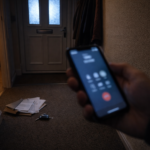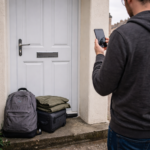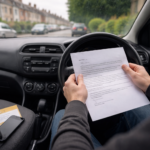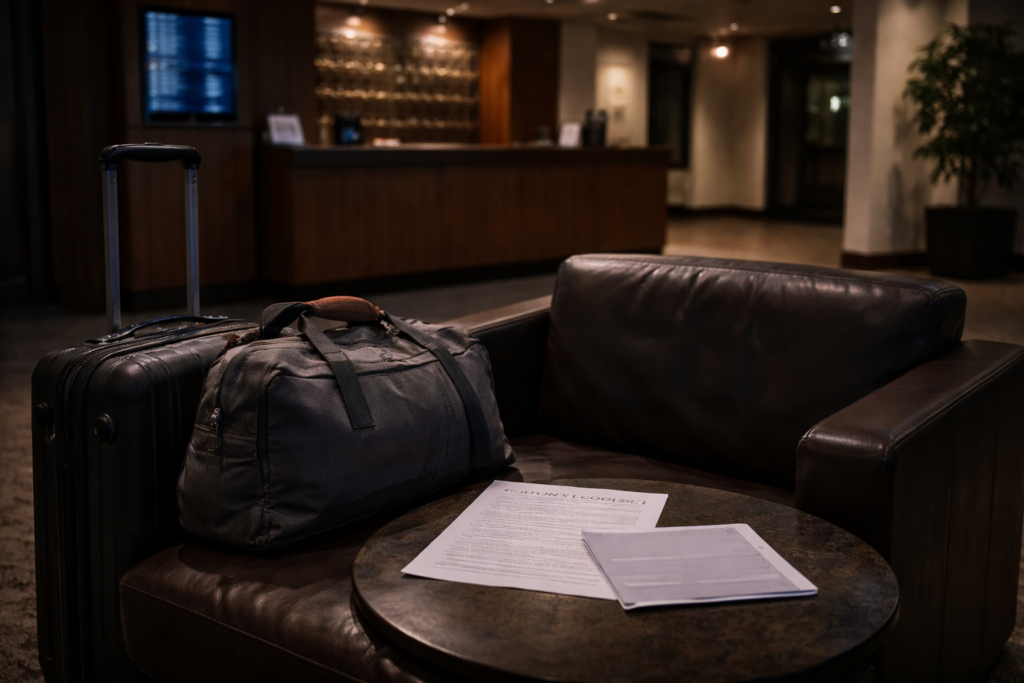
Ask the hotel to confirm in writing that the booking was refused due to overbooking, then request immediate relocation or a full refund and reimbursement of reasonable extra costs. If nothing is done, the usual result is that the hotel treats it as a “no-show” or a voluntary cancellation and the costs land with the guest. Keep the conversation practical and focused on what is needed tonight, then follow up with a short written complaint to the hotel’s head office or central customer service. If the booking was made through an online travel agent, raise the issue with the agent at the same time so there is a clear record of who is refusing to provide the room.
What the problem is
This tends to happen in the UK when a guest arrives at a hotel, often in the evening, and is told there is no room available despite having a confirmed booking. It affects business travellers, families, and anyone arriving after a long journey, especially when the booking was prepaid or made for a busy date such as a weekend event, school holiday, or a local concert. The dispute usually starts at the front desk, before any formal complaint exists, and the pressure point is immediate: somewhere to sleep and a clear plan for payment.
Many people only realise there is a problem after a partial response, such as being offered a refund “within a few days” but no help finding alternative accommodation, or being told to sort it out with the booking website. Another common stage is after a deadline has already passed, such as the hotel claiming the cancellation window has closed or that the guest arrived “too late”, even though the guest is standing at reception. The practical issue is that the guest needs a replacement room and a paper trail that shows the hotel refused to honour the booking.
Why this happens
Overbooking is often driven by hotels trying to avoid empty rooms caused by late cancellations and no-shows, so they accept more reservations than they can physically accommodate. When demand is high, the hotel may prioritise certain bookings, such as direct bookings, higher-rate rooms, longer stays, or loyalty members, and “walk” other guests to different accommodation. If the booking came through an online travel agent, the hotel may see it as lower margin and more likely to be moved.
Another common cause is inventory mismatches between the hotel’s system and third-party platforms, where a room type appears available online but is not actually available on the property. Front desk staff may have limited authority to approve reimbursements, so the immediate response can be to offer only a refund and push the guest to contact the booking platform. A typical organisational response pattern is that the hotel initially offers a small concession at reception, then becomes slower and more formal once the guest asks for written confirmation and reimbursement.
The incentive behind this behaviour is simple: paying for relocation, taxis, and price differences costs the hotel money and creates internal admin, while a refund alone is cheaper and easier to process. If the guest accepts a verbal promise and leaves, the hotel may later frame the situation as a cancellation dispute rather than a refusal to provide the room.
Your UK position
The practical leverage usually comes from treating this as a failure to provide what was sold: a room on the agreed night, at the agreed price, with the agreed terms. The strongest position is created when the guest can show a confirmed booking, proof of arrival, and a clear refusal by the hotel to provide the room. Where the hotel offers relocation, the key is to keep the replacement “like for like” and to avoid being pushed into paying twice.
In UK disputes, written confirmation tends to change the tone quickly, because it forces the hotel to commit to a version of events. Asking for a manager and requesting a short email that states “no rooms available due to overbooking” often produces a more practical solution than arguing about policy at the desk. If the hotel will only refund, the next best leverage is a clear claim for reasonable additional costs that were caused by the refusal, such as a more expensive nearby hotel, transport to the alternative, and unavoidable extra charges.
If the booking was made through an online travel agent, the guest’s position depends on who took payment and what the booking confirmation says about responsibility for accommodation. In practice, it is still worth pursuing both routes at once: the hotel for refusing the room, and the agent for failing to ensure the booking was honoured or for not providing support when the problem arose.
Official basis in UK
The most useful official basis for a UK consumer dispute like this is the Consumer Rights Act 2015, because it supports the expectation that services are provided with reasonable care and skill and as agreed. In practice, that means the hotel (or the company that sold the booking) should not take payment for a room and then leave the guest to absorb the cost of finding an alternative when the hotel cannot supply what was booked. The Act is most effective when the complaint is framed around the specific loss caused by the failure to provide the room, backed by receipts and a clear timeline, rather than general dissatisfaction.
For a plain-English summary that aligns with how UK businesses handle complaints, use GOV.UK guidance and mirror that structure in the complaint: what was agreed, what happened, what was paid, and what is being claimed back.
Evidence that matters
Evidence is usually straightforward, but it needs to be gathered quickly because the situation happens at the desk and then disappears into “he said, she said”. The most persuasive items are the booking confirmation, proof of payment, and anything that shows arrival and refusal. If the hotel relocates the guest, keep the details of the alternative property and the cost difference, because that is often where disputes arise later.
Do not rely on verbal assurances such as “email will be sent tomorrow” or “head office will sort it”, because those promises are hard to enforce without a record. Also avoid posting allegations online before the complaint is raised, because it can harden the response and distract from getting costs reimbursed. One thing not to do yet is agree to a “goodwill” refund marked as full and final settlement if there are still extra costs to claim.
What to collect
Collect proof that the booking existed, that arrival happened, and that the hotel refused to provide the room. If possible, get the refusal in writing while still at reception, even if it is a short email or a note on headed paper.
What to avoid
Avoid paying for a much more expensive replacement without first asking the hotel to confirm what it will cover, unless there is genuinely no alternative. If the only option is to book elsewhere immediately, keep the replacement reasonable for the area and date, because that is what UK complaints teams tend to reimburse without argument.
Common mistakes
Common mistakes that weaken later claims are easy to avoid.
- Leaving without written confirmation that the hotel refused the room due to overbooking.
- Accepting a refund only, then trying to claim extra costs later with no receipts or timeline.
- Booking an alternative that is far above the original standard without noting why cheaper options were unavailable.
Quick checklist
- Booking confirmation showing dates, names, and room type
- Proof of payment (card receipt, bank app screenshot, or invoice)
- Written refusal or relocation details from the hotel
- Receipts for replacement accommodation and travel between hotels
What to do next
At reception
Ask calmly for the duty manager and state the outcome being requested: the booked room, or immediate relocation to a comparable hotel at no extra cost. Request written confirmation of the reason the room cannot be provided and the solution being offered. If relocation is offered, ask the hotel to book it directly and confirm in writing what costs it will cover, including transport and any price difference.
Same-day follow-up
As soon as the immediate accommodation is sorted, send a short email to the hotel’s customer service or head office with the subject line “Refused accommodation due to overbooking – reimbursement request”. Include the booking reference, date and time of arrival, the name of the staff member or manager spoken to, what was said, and what costs were incurred. Attach receipts and ask for reimbursement within a clear timeframe, keeping the request limited to reasonable, evidenced costs.
Agent involvement
If the booking was made through an online travel agent, raise a complaint through the agent’s official complaints process as well, using the same timeline and attachments. Use only the official form or complaints channel shown in the booking account area or confirmation email, and prepare the booking reference, screenshots of the confirmation, the hotel’s written refusal, and receipts for replacement costs. In UK cases, a first response commonly arrives within 14 days, though some providers take longer when they need to contact the property.
Escalation point
If there is no meaningful response after 14 days, or if the hotel/agent offers only a refund while ignoring additional costs, reply once more with a firm summary and a deadline for payment. If the dispute is heading toward a formal claim and the business starts suggesting mediation but then delays or backs away, the pattern and next steps are similar to Company requests mediation then withdraws, where keeping everything in writing and setting clear deadlines tends to prevent drift.
Resolution timing
When evidence is clear and the claim is limited to reasonable costs, the issue is usually resolved after one or two rounds of written correspondence, once a manager reviews the receipts and the refusal is documented.
FAQ quick answers
Refund only offer
A refund only after hotel overbooking is often presented as the default, but it does not automatically cover the extra costs caused by being turned away. Reply in writing with the receipts and a clear reimbursement request.
Alternative hotel costs
Alternative hotel costs after being walked are normally recoverable when they are reasonable for the area and date and directly caused by the refusal. Keep the replacement comparable and keep all receipts.
Late arrival claims
Late arrival overbooking disputes usually turn on whether the booking was still valid and whether the hotel actually cancelled it before arrival. Ask for written confirmation of what time they marked it as a no-show and why.
Card chargeback route
A card chargeback for overbooked hotel stays can help recover the original payment when the room was not provided, but it may not cover all extra costs. Use it as a fallback if the hotel or agent stops responding.
Before you move on
Put the next message in writing today while the details are fresh, and keep the claim tightly tied to receipts and the refusal to provide the room. This situation often involves time pressure and rushed decisions at the front desk, so aim for a workable overnight solution first and a clean paper trail second.
Get help with the next step
Contact UKFixGuide — If the hotel or booking agent is refusing to reimburse reasonable relocation costs, share the timeline and what evidence is available so the next escalation can be chosen.