Gas bill suddenly doubled? Here’s what usually causes it in the UK
If your gas bill has suddenly doubled, most UK households assume the same thing: prices have gone up again. In reality, a sudden jump on a single bill is rarely caused by day-to-day price changes alone. It’s usually a billing or meter issue that has quietly built up and then corrected itself all at once.
Suppliers don’t always explain this clearly. Bills arrive looking final, automated, and non-negotiable. But in the UK system, there are specific reasons why a bill spikes — and most of them can be checked and fixed without arguing about tariffs or switching suppliers.
This guide gives you a clear path: understand why the bill doubled, prove whether it’s correct, fix the common errors, and escalate properly if the supplier doesn’t respond.
First: what this actually means in the UK
UK gas bills are based on meter readings over a defined billing period. If your supplier doesn’t receive regular actual readings, they are allowed to bill using estimates. When a real reading finally arrives, the system often issues a “catch-up” bill — which can look like your usage suddenly doubled.
Responsibility is split:
- You must provide access to the meter and submit readings if asked.
- The supplier must bill accurately, apply the correct tariff, and link your account to the correct meter.
- The gas network owns the pipes but has no role in your bill.
So when a gas bill suddenly doubles, the question is not “are prices high?”, but “was the correct gas usage billed, for the correct dates, from the correct meter?”
What people usually get wrong
- They don’t check how many days the bill covers.
- They miss that the bill is based on estimated readings.
- They compare winter usage to summer usage.
- They don’t check the meter serial number.
- They assume smart meters always send data correctly.
- They pay the bill before checking accuracy.
Step-by-step fix (do this in order)
Step 1: Check the billing period
Find the “from” and “to” dates on the bill. If it covers more than your usual cycle (for example 60 days instead of 30), the total will naturally look much higher.
Step 2: Check estimated vs actual readings
Look for markers like “E” (estimated) or “A” (actual). A switch from estimated to actual often causes large corrections.
Step 3: Take your own meter reading
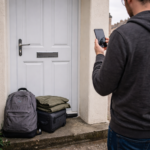
Take a clear photo of the gas meter showing:
- The full reading
- The meter serial number
- The date (phone metadata is fine)
Step 4: Match the meter serial number
The serial number on the bill must match the one on the physical meter. If it doesn’t, the bill may be for the wrong meter entirely.
Step 5: Confirm tariff rates
Check that the unit rate and standing charge match your current tariff, especially if a fixed deal recently ended.
Step 6: Submit the reading and request a rebill
Subject: Gas bill query – request rebill using actual reading

Please confirm whether my recent gas bill was based on estimated readings.
My meter serial number is [MSN].
My actual reading taken on [date] is [reading].

Please update my account and issue a corrected bill if required.
Step 7: Review Direct Debit changes
A higher Direct Debit does not automatically mean higher usage. It may be adjusted to recover a balance. Always check the underlying bill first.
Step 8: Rule out genuine high usage
If readings are correct, check boiler schedules, thermostat settings, hot water controls, and recent weather patterns.
When this doesn’t work (and what it means)
If the supplier refuses to rebill after you’ve submitted an actual reading, it usually means:
- The reading hasn’t been validated yet.
- The smart meter is failing silently.
- The account is linked to the wrong meter.
- The supplier is correcting months of under-billing in one go.
At this stage, verbal reassurance is meaningless. You need written confirmation of readings, dates, and meter details.
Escalation path (UK)
Formal complaint
Submit a written complaint clearly stating that you are disputing the accuracy of the gas bill.
Timeframes
Track dates carefully. UK suppliers are required to follow formal complaint handling processes.
External escalation
If the issue remains unresolved after the supplier’s process, escalation becomes available. Evidence matters more than emotion.
FAQ
Why did my gas bill double in one month?
Most commonly due to estimated readings being corrected or a longer billing period.
Can I challenge an estimated gas bill?
Yes. Submitting an actual reading usually triggers a rebill.
What if my smart meter isn’t sending readings?
You can still submit manual readings and request confirmation in writing.
Is it safe to delay payment while disputing?
Raise the dispute first and confirm payment handling with the supplier.
Does higher Direct Debit always mean higher usage?
No. It often reflects balance recovery, not current consumption.
Before you move on
If your gas bill has suddenly doubled and the supplier still insists it’s correct after you’ve submitted an actual reading, that’s a signal — not a dead end.
- Either the bill is still being calculated from incorrect or mismatched meter data, or
- the supplier is recovering months of under-billing in one lump sum without clearly explaining it.
At this point, calling again and repeating “my bill is too high” won’t change anything. What matters now is whether the supplier has:
- confirmed the correct meter serial number in writing,
- acknowledged your actual meter reading, and
- explained which past period the extra gas usage relates to.
If you can’t clearly answer those three points from their response, the issue hasn’t been handled properly — and you’re no longer in a simple billing query. You’re in escalation territory.
Not sure what your next step should be?
Tell us what’s happened so far and where you’re stuck.
We’ll point you to the correct next step based on UK practice.
General UK guidance only. Not legal or financial advice.