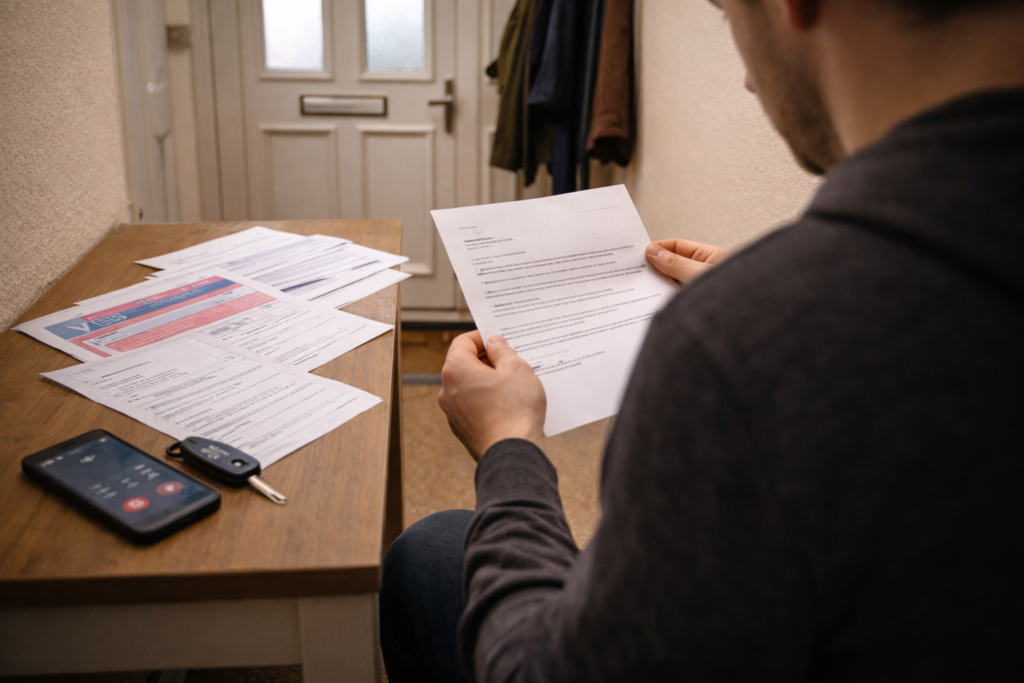
Use the DVLA’s official online service or the V5C correction route today and keep a dated record of what was submitted. If nothing is done, the wrong keeper details usually lead to letters, penalties, or enforcement being sent to the wrong address and the situation becomes harder to unwind. Gather proof of the correct details and proof of when the DVLA was told, then follow up in writing if the first attempt stalls. If deadlines are running (for a penalty or a court letter), deal with the issuing body separately while the DVLA correction is in progress.
Most cases settle once the DVLA has the right evidence and the request is routed to the correct team, but it can take persistence and clear timelines. The aim is to get the keeper record corrected and to stop third parties relying on the wrong data.
What the problem is
This problem shows up when the DVLA record for a vehicle keeper is wrong and the DVLA will not amend it, or appears to refuse by repeatedly asking for the same information, closing the request, or saying the details cannot be changed. It commonly affects people who have recently bought or sold a used car, people who have moved address, and anyone dealing with a vehicle that has been off the road, in storage, or passed through a trader. In UK day-to-day life it often becomes visible only after something else happens, such as a parking charge, a speeding notice, a congestion charge, or a tax reminder going to an old address.
It typically appears after an initial attempt to update details has already been made, for example after sending the V5C, using an online service, or contacting the DVLA and receiving a partial response. Many people only realise there is a refusal pattern when a follow-up letter says the DVLA cannot act without further proof, or when the DVLA says the vehicle is still recorded to someone else despite evidence of sale or purchase. The practical issue is that other organisations treat the DVLA keeper record as the default source of truth, so a stalled correction can trigger a chain of avoidable disputes.
Why this happens
The most common cause is a mismatch between what was submitted and what the DVLA can verify against its records, such as a name format difference, an address that does not match, or a missing reference number. Another frequent cause is that the DVLA has not received a posted V5C, has received it but cannot process it due to incomplete sections, or has processed it in a way that leaves the keeper record unchanged. Where a vehicle has passed through a trader, a part-exchange, or a quick resale, the DVLA may have overlapping notifications that create a conflict the system will not resolve without extra evidence.
Business behaviour also plays a role: parking firms, enforcement agents, and some local authority processes move quickly based on the DVLA record, so the pressure lands on the person trying to correct it rather than on the party relying on the data. The DVLA’s process is designed to prevent fraudulent keeper changes, so it tends to prioritise documentary proof and consistent identifiers over explanations. A typical organisational response pattern is that the DVLA asks for the same document again or responds with a standard letter that does not address the specific evidence already provided.
Your rights in practice
In practical UK terms, the strongest position comes from showing a clear chain of evidence that the keeper details should be different, plus proof that the DVLA was told promptly using the official route. What usually works is presenting the DVLA with unambiguous identifiers (vehicle registration, VIN where available, V5C document reference number) and evidence that ties the keeper to the vehicle at the relevant time (purchase invoice, receipt, insurance start date, or a dated confirmation from a motor trader). Where the issue is an address change, evidence that the address is correct and current, alongside the V5C reference, tends to move the case forward.
Leverage often comes from deadlines outside the DVLA process. If a penalty or enforcement action is underway because notices went to the wrong address, the immediate goal is to stop escalation by contacting the issuing body and explaining that the DVLA record is being corrected, while also pushing the DVLA correction forward with a clear timeline. Keeping communications factual and consistent matters: the DVLA is more likely to act when the request is framed as a correction supported by documents, rather than a dispute about blame.
Official basis in UK
The practical official basis is the DVLA’s vehicle registration and keeper record process, which is run by the Driver and Vehicle Licensing Agency as the administrator of the vehicle register. In day-to-day terms, that means the DVLA will usually only amend keeper details when the request comes through the recognised channels and the evidence matches what the register needs to accept a change. The most reliable approach is to use the DVLA’s published routes for changing keeper details and to follow the exact instructions for the specific scenario (bought, sold, moved address, or correcting an error), because the DVLA will often reject requests that arrive in the wrong format or without the required references.
Use the DVLA’s official instructions and services on GOV.UK guidance so the request is made in the way the DVLA can process, then keep a copy of what was submitted and when.
Evidence that matters
Evidence needs to do two jobs: prove the correct keeper details and prove the timeline of notification. The DVLA tends to respond best to documents that are dated, show the vehicle registration, and show a clear link between the keeper and the vehicle. If the issue is a sale or purchase, a trader invoice or receipt is usually more persuasive than informal messages. If the issue is an address change, documents showing the new address can help, but the DVLA will still want the keeper change done through the proper V5C or online route.
What not to do is just keep resending the same message without adding the missing identifier the DVLA is asking for, or to rely on phone calls without a written trail. Another common trap is focusing only on the penalty letters and not fixing the keeper record, which leaves the same problem repeating. One thing that should not be done yet is paying a third-party demand purely to “make it go away” if it is clearly based on the wrong keeper details and there is still time to challenge it through the issuer’s process.
Checklist to gather before contacting the DVLA again:
- V5C document reference number (or proof of why it is not available).
- Proof of purchase or sale with date and vehicle registration.
- Proof of current address and correct name format used for official records.
- Copies or screenshots of any previous DVLA submission and any DVLA reply.
Three common mistakes seen in UK cases are sending photocopies when originals are required for that route, using a different name or address format across documents so the DVLA cannot match them, and waiting until enforcement letters arrive before starting the correction.
Steps to take
Confirm the route
Start by identifying which DVLA process applies: bought a vehicle, sold a vehicle, changed address, or correcting an error on the V5C. Then use only the DVLA’s official online service or the official postal V5C process shown on GOV.UK for that scenario, because informal emails and general enquiries often end up as dead ends. Prepare the key identifiers first (registration, V5C reference, and the exact keeper details to be recorded) so the request is complete the first time.
Send a clean pack
Submit the correction with a single, consistent set of details and supporting evidence, and keep copies of everything. Where the DVLA requires originals for a particular route, follow that requirement and use tracked post so the delivery date can be proved. If the DVLA has already asked for something specific, include it once with a short covering note that lists what is enclosed and what outcome is being requested (for example, “update keeper name and address on the vehicle record”).
Chase with dates
If there is no update after the normal DVLA processing window for that service, follow up using the DVLA’s complaints process on GOV.UK and reference the date of submission and any tracking proof. Keep the follow-up focused on the missing action (record not corrected) rather than the wider consequences. A typical real UK outcome is that the DVLA updates the keeper record after a further written chase that includes the original submission date and the key reference numbers.
Handle linked notices
Where a parking charge, penalty, or enforcement letter has been issued using the wrong keeper details, contact the issuer separately and promptly to protect deadlines, explaining that the DVLA record is being corrected and providing evidence of the correct keeper position. If the issuer refuses to pause or insists the DVLA record is decisive, the strategy often needs to shift to the issuer’s formal appeal or statutory process while the DVLA correction continues. If the dispute is being pushed into an “ADR only” corner by a company involved in the chain, the decision point is whether a formal complaint route exists and whether the refusal blocks resolution; in that situation, the pattern described in Company refuses alternative dispute resolution can help decide when to stop informal back-and-forth and move to a formal escalation.
Escalate properly
Escalate when there is either no response within the normal DVLA timeframe for the route used, or when the DVLA response does not address the evidence and repeats a generic refusal. Escalation should be done through the official DVLA complaints process listed on GOV.UK, attaching the timeline, copies of what was submitted, and the exact correction requested. If the issue is time-critical because a notice has progressed, change strategy by prioritising the issuer’s deadline-driven process first, while still keeping the DVLA correction moving in parallel.
Checklist for the next submission or complaint:
- Submission date and method (online reference or postal tracking).
- Vehicle registration and V5C document reference number.
- One-page timeline of events and what correction is requested.
- Copies of supporting documents with dates visible.
The normal response timeframe varies by service and workload, but a reply or update is usually expected within a few weeks for straightforward corrections; if nothing arrives, escalate through the DVLA complaints route and keep the issuer of any penalty informed before their deadline passes. This issue is usually resolved in UK cases once the DVLA receives a complete, consistent set of identifiers and evidence through the correct channel.
Related site issues
If the keeper detail problem is tied to a change of address and a council or enforcement process is refusing to engage because the vehicle is linked to a private address history, the decision point is when the council says it cannot act without the “right” keeper record; Council refuses to act due to private tenancy can be relevant when correspondence has gone to an old rented address and the council will not correct its records without extra proof. If the vehicle was bought with unresolved issues and a trader is deflecting responsibility, that becomes a separate consumer dispute rather than a DVLA correction problem.
FAQ
Wrong address letters
Wrong address DVLA keeper letters are usually fixed by correcting the keeper record first and then telling each issuer the record is being updated. Keep proof of when the DVLA was notified and do not miss the issuer’s appeal deadline.
V5C not received
V5C not received after purchase is commonly handled by using the official GOV.UK route for a replacement or keeper update and providing the purchase evidence. If a trader promised to notify the DVLA, the DVLA will still expect the keeper change to be completed properly.
Sold car dispute
Sold car keeper dispute cases usually turn on the date of sale evidence and whether the DVLA was notified through the recognised process. Provide the buyer or trader details if available and keep the timeline consistent.
Enforcement already started
Enforcement already started due to wrong keeper details needs two tracks: protect the enforcement deadline with the issuer and keep the DVLA correction moving. Do not assume the DVLA update will automatically stop an active case.
Before you move on
Put the key dates in one place, submit the correction through the official DVLA route with the right references, and deal separately with any live penalty deadlines so nothing escalates while the record is being fixed. Time pressure can build quickly when letters arrive late or an issuer pushes for fast payment.
Get help with the next step
Contact UKFixGuide — Share the DVLA response wording and the timeline of what was submitted so the next escalation can target the exact sticking point.