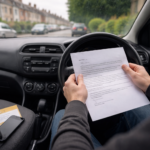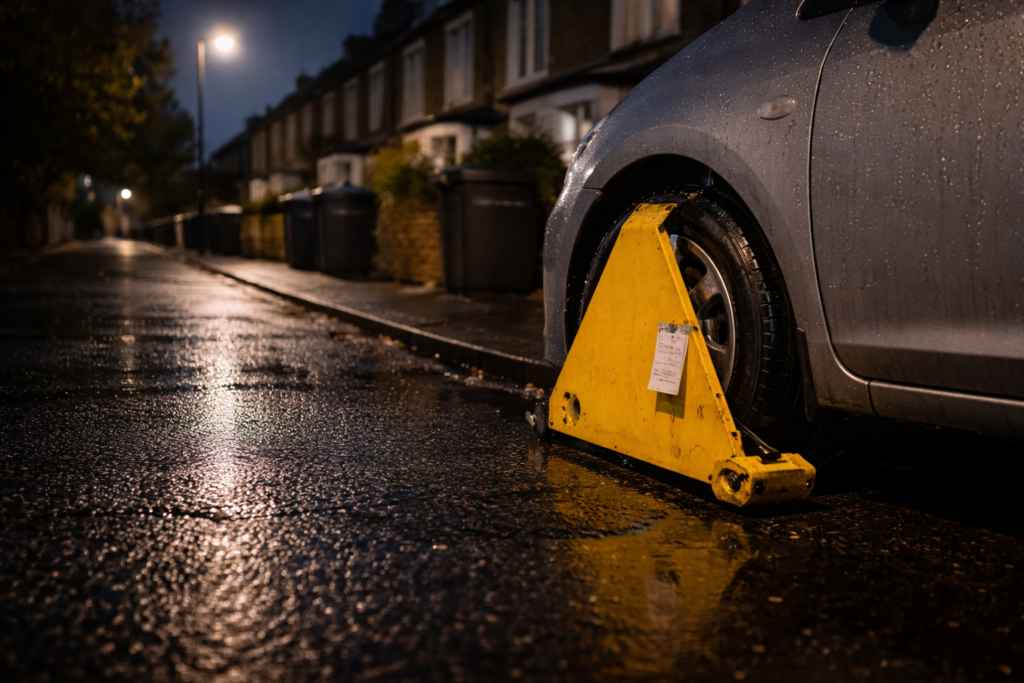
In UK households, an illegal clamp problem usually starts with a normal day turning into a standstill: a car is found immobilised on a driveway, in a residential bay, or in a private car park outside flats or shops. A bright sticker or padlock is on the wheel, and a note demands payment for release. Often the note is vague, the “company” name is hard to verify, and the person on the phone pushes for an immediate bank transfer.
Common patterns include a clamp fitted late evening or early morning, no clear warning signs nearby, and a demand that cash or transfer is made before anyone will attend. Some people only realise the clamp is there when trying to get to work, school run, or a hospital appointment, which creates pressure to pay first and ask questions later.
Why it happens
Misused private enforcement
In England, Wales and Scotland, private clamping on private land is generally unlawful under the Protection of Freedoms Act 2012. Despite that, some operators still try it, relying on people not knowing the rules or feeling forced to pay to get moving.
Confusing signage and bays
Residential developments often have mixed rules: numbered bays, visitor spaces, permits, and short-term loading areas. When signage is missing, hidden, or contradictory, clampers sometimes claim “contractual consent” even where the law does not support clamping.
Disputes with managing agents
Where a managing agent or residents’ association has hired parking control, the clamp may be fitted by a contractor acting outside agreed terms. This can happen after a change of agent, new permit scheme, or a dispute about who is entitled to park.
Impersonation and scams
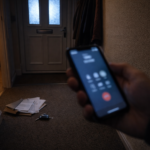
Some cases are not enforcement at all. A clamp is used as leverage to obtain money quickly, with fake paperwork, a disposable phone number, and a demand for transfer to a personal account. The “release fee” may change during the call.
Checks to do first
Confirm where the car sits
Check whether the vehicle is on private land, a public highway, or council-controlled parking. Council and police powers differ from private operators. If it is on a public road and appears to be enforcement, look for official markings and contact details; if it is private land, private clamping is the key issue.
Photograph everything clearly
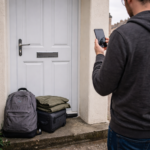
Take wide shots showing the car’s position, bay markings, and nearest signs, then close-ups of the clamp, any stickers, and any paperwork left on the windscreen. Include time and date if possible. If signs are missing or not visible from where the car was parked, capture that too.
Identify the operator
Look for a trading name, address, landline number, and any company registration details. If the only contact is a mobile number and a demand for transfer, treat it as high risk. Note the exact payment instructions and any threats made.
Check for towing risk
If the note mentions towing, storage fees, or “removal”, record it. Private towing on private land is also heavily restricted and often unlawful in the same way as clamping. The threat is commonly used to force quick payment.
Step-by-step fixes
Ask for written authority
Request proof that the person demanding payment has authority from the landowner or managing agent, and ask for the landowner’s contact details. In many UK cases, clampers cannot provide a proper contract or provide a generic letter without names and dates.
Contact the landowner or agent
Call the managing agent, housing association, or site management number (often on a noticeboard). Ask whether a contractor has been instructed to clamp and whether they accept responsibility. If the clamp is unauthorised, the landowner/agent can sometimes arrange immediate removal or confirm in writing that it should be removed.
Refuse unsafe payment methods
Avoid paying by bank transfer to a personal account or cash to a stranger, especially if identity cannot be verified. If payment is made under pressure, it is harder to trace and recover. If a card payment is offered, ask for a proper receipt showing the business name, address, VAT number (if applicable), and reason for the charge.
Report suspected unlawful clamping
If private clamping is being used on private land in England, Wales or Scotland, report it to the police via 101 (or 999 if there is an immediate threat). Provide photos, location, and the operator’s details. Police responses vary by area, but a crime reference number can help later when disputing payments or making complaints.
Keep the dispute in writing
Send a short email to the landowner/managing agent and the operator (if an address exists) stating that private clamping is unlawful, requesting removal, and asking for confirmation of who instructed it. Keep it factual: date, time, location, vehicle registration, and what was demanded.
Recover money if paid
If payment was made by card, contact the card provider promptly and ask about chargeback (debit card) or a Section 75 claim (credit card, where the rules apply). Provide evidence: photos, receipt, and the basis for disputing the charge. If payment was by bank transfer, contact the bank immediately and ask for a fraud or scam recall; success rates vary, but speed helps.
Watch for follow-on credit issues
Some operators or associated debt collectors send aggressive letters after a dispute, even where the clamp itself was unlawful. If any threat mentions court action or credit reporting, keep every letter and envelope. If a debt later appears on a credit file or a claim form arrives, it may link to a wider dispute. Where credit reporting becomes part of the problem, see Credit score damaged unfairly for practical evidence to gather and how disputes are usually handled.
If it’s ignored
Fees and threats escalate
Typical escalation is a rising “release fee”, then threats of towing, then debt collection letters. Even where the clamp is unlawful, the paperwork can look official and cause people to pay later out of fear.
Access and safety issues grow
A clamped car can block work, caring responsibilities, and medical appointments. If the vehicle is needed for disability access or essential travel, record that impact in writing, as it can support complaints and urgency when contacting the landowner or agent.
Disputes become harder to prove
Once signs change, clamps are removed, or contractors disappear, evidence becomes thin. Photos taken on the day, plus call logs and payment records, are often what decides whether money can be recovered.
When to escalate
Involve police where appropriate
Escalate to police when there is suspected unlawful clamping, intimidation, threats, or suspected fraud. Provide a clear timeline and avoid arguments on site. If there is confrontation risk, step back and keep communication by phone.
Raise a formal complaint
Complain to the landowner/managing agent in writing, asking for confirmation of who authorised enforcement and what policy was in place. In many residential cases, the landowner/agent is the practical route to resolution, especially if the contractor has no stable address.
Prepare for small claims
If money was taken and not returned, small claims action may be considered against the party responsible (often the clamp operator and sometimes the landowner/agent depending on the facts). Evidence that usually helps includes: dated photos of signage, proof of payment, a copy of the demand note, witness statements, and any written admission about who instructed the clamp.
Keep an eye on court letters
If a letter before claim or a county court claim form arrives, do not ignore it. Deadlines are short and missing them can lead to default judgment. If court action is mentioned, it can help to understand the process early; see County Court Judgment explained for what usually happens and what paperwork matters.
FAQ
Is private clamping illegal?
In England, Wales and Scotland, private clamping on private land is generally unlawful under the Protection of Freedoms Act 2012. Different rules apply in Northern Ireland.
Should the clamp be removed personally?
Removing a clamp can create risk of confrontation and allegations of damage. The safer route is evidence first, then contact the landowner/agent and police where appropriate.
What if the car was parked…
Even where parking was unauthorised, private clamping is usually not a lawful remedy in Great Britain. A parking charge notice is a different process from immobilisation.
Can a release fee be recovered?
Often yes, depending on how payment was made and the evidence available. Card payments can sometimes be challenged through chargeback or Section 75 routes; bank transfers are harder but still worth reporting quickly.
What if the clamp was on…
Council enforcement uses official notices and formal appeal routes. If it appears to be council action, check the paperwork carefully and use the stated appeals process rather than paying an unknown party.
Before you move on
Save photos, call logs, and any payment proof into one folder, then contact the landowner/managing agent and report suspected unlawful clamping to police if appropriate, using a short timeline of events. If you felt pushed to act quickly or told there was no time, that’s often a sign the process wasn’t handled properly.
Get help with the next step
If the clamp has not been removed or money has been taken, submit the key details and evidence for a practical next-step plan at https://ukfixguide.com/contact/.