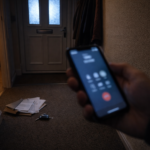
Send a written reply asking the landlord or agent to pause the access request and put all contact in writing while the issue is checked. If nothing is done, the requests usually keep coming and can start to feel like a pressure tactic rather than a genuine need. Keep the door closed to unarranged visits and start logging every message, call, and attempted entry from today. If the contact continues, move the complaint to the agent’s formal process and ask for a single point of contact.
When an access request is being used to harass a tenant, the problem is rarely solved by arguing on the doorstep. A calm paper trail and a clear boundary about notice and purpose tends to change the tone quickly. If the landlord claims urgent repairs, ask for the specific issue, proposed dates, and who will attend, then offer reasonable times. If the behaviour escalates, the next step is to involve the local council’s tenancy relations service through the council’s official reporting route.
What the problem is
This shows up in UK private renting when a landlord or letting agent starts pushing repeated access requests that do not match the usual pattern for repairs, inspections, or safety checks. It often affects tenants who have recently raised a repair issue, challenged a fee, asked for deposit information, reported disrepair, or refused a rent increase, and then suddenly receive frequent messages about “quick visits” or “just popping round”. It can also appear after a tenant has asked for communication to be in writing, or after a complaint has been made and only a partial response has been given.
The typical stage is after the tenant has already cooperated once or twice, and the requests then become more frequent, less specific, or more last-minute. The tone can shift from practical scheduling to implied consequences, such as suggesting the tenant is being “difficult” or hinting at eviction. Sometimes the landlord uses multiple channels at once (texts, calls, emails, and unannounced knocks), which makes it harder for the tenant to keep control of the situation.
Why this happens
In UK cases, the most common driver is leverage: access requests are used to create stress, to test boundaries, or to gather information about how the tenant is living, especially where there is a dispute about repairs or rent. Another common cause is poor management, where an agent has no proper scheduling system and treats access as informal, relying on repeated chasing rather than agreeing a date. A smaller but real pattern is where a landlord wants to market the property, line up contractors, or prepare for a sale, and tries to normalise frequent visits without properly agreeing times.
Business behaviour often follows incentives: if a tenant gives in to repeated pressure, the landlord learns that persistence works and keeps using it. If the tenant refuses without offering alternatives, the landlord may frame it as “denying access” and use that narrative in later disputes. A typical organisational response pattern is that the agent initially denies any issue, then offers a vague apology while continuing to request access in the same way.
Your UK position
A tenant’s practical leverage comes from being reasonable about genuine access while being firm about notice, purpose, and agreed times. The strongest position is created by offering specific appointment windows, asking for the name of the attendee and the reason for entry, and confirming that unarranged visits will not be answered. This keeps the tenant cooperative on repairs while removing the “refused access” argument.
Where the requests feel like harassment, the most effective approach is to move everything into writing and insist on one channel. If the landlord or agent keeps calling, a short written message stating that calls will not be answered and that all access requests must be emailed tends to reduce the volume. If there is a managing agent, using the agent’s formal complaints process often produces a more controlled response because it creates internal accountability and a record that can be shown to the council if needed.
If the landlord tries to enter without agreement, the tenant can refuse entry unless there is a genuine emergency. If the landlord has keys, changing the lock cylinder is commonly done in UK tenancies for peace of mind, but the tenant should keep the original and reinstate it at the end, and avoid doing anything that damages the door or frame. For related practical steps on controlling contact and documenting behaviour, see Landlord harassment: what to do.
Official basis in UK
The most practical official route is the local council’s tenancy relations service (sometimes within private sector housing), which can intervene where a landlord’s behaviour crosses into harassment or unlawful pressure. In practice, councils usually start by assessing the evidence, then contacting the landlord or agent to warn them to stop the behaviour and to follow proper access arrangements. Where the behaviour continues, the council can escalate internally and may take enforcement action depending on the facts and local policy.
The key is that councils generally act faster when the tenant can show a clear pattern: repeated requests, lack of proper notice, unannounced visits, threats, or attempts to enter. The council will normally expect the tenant to have tried a written boundary and the agent’s complaint route first, unless there is an immediate risk. The process and how to report housing problems through the council is set out on GOV.UK.
Evidence that matters
Evidence is less about proving motive and more about showing a pattern and its impact. Save every message, including screenshots that show dates and times, and keep emails in a single folder. If there are calls, keep a call log with the time, duration, and a short note of what was said. If someone turns up, note the time, who attended, what was said at the door, and whether there was any attempt to use keys.
Collect documents that show what access was for and whether it was reasonable: repair reports, contractor quotes, inspection notices, and any earlier agreements about visits. If the landlord claims urgent repairs, keep the messages where the urgency is asserted and compare them to what actually happens (for example, repeated “urgent” requests with no contractor booked). If there are threats linked to access, keep the exact wording.
What not to do is as important as what to collect. Do not send long emotional messages that mix multiple issues, because they are often used to reframe the tenant as unreasonable. Do not block all contact without first setting a clear written channel, because it can be portrayed as refusing access. Do not post allegations on social media, because it can distract from the practical complaint and may inflame contact.
Checklist to gather:
- Timeline of access requests with dates, times, and method of contact
- Screenshots or exports of texts, WhatsApp, and call logs
- Copies of notices, emails, and any repair-related paperwork
- Notes of any doorstep visits, including names and vehicle details if known
Three common mistakes seen in UK disputes are agreeing to vague “sometime today” visits, relying on phone calls with no written follow-up, and refusing all access without offering alternative appointment times. One thing not to do yet is hand over personal documents or ID scans to “prove” occupancy unless a verified official process requires it.
What to do next
Set boundaries
Send a short written message to the landlord or agent that does three things: confirms that access will be allowed for genuine reasons, requires proposed dates and the purpose of entry, and states that unarranged visits will not be answered. Offer two or three specific time windows over the next week and ask them to confirm which one is booked. Keep the tone neutral and avoid arguing about motives.
Use official process
If there is a letting agent, use the agent’s official complaints process rather than informal back-and-forth. The complaints route is usually on the agent’s website footer or in the tenancy paperwork, and it should state where to send the complaint and how it will be handled. Prepare the information before submitting: the tenancy address, the names involved, a short timeline, and copies of the messages. Do not paste personal data beyond what is needed to identify the tenancy and the issue.
Checklist to prepare for the official complaint:
- One-page timeline of access requests and any unannounced visits
- Three example messages that show the pattern clearly
- Your proposed access windows for genuine repairs or checks
- What outcome is wanted (written-only contact, booked appointments, single contact person)
The normal response timeframe for an agent’s complaints process is within a couple of weeks for an initial reply, with a longer period for a final response if they investigate. If there is no response by the timeframe stated in their policy, escalate by replying to the same complaint email, marking it as a formal escalation, and attaching the original complaint and evidence bundle.
Escalate to council
If the access requests continue after the formal complaint, or if there are unannounced visits, threats, or attempts to enter, escalate to the local council using the council’s official online reporting form for private renting or housing enforcement. The form is normally found by searching the council website for “private rented housing harassment” or “tenancy relations”, and it will ask for the address, landlord or agent details, and a description of what has happened. Prepare the same evidence bundle and upload the clearest examples rather than everything at once.
If the council form does not produce an acknowledgement within a reasonable period, escalate by calling the council’s main switchboard and asking for the private sector housing or tenancy relations team, then follow up in writing with the reference number. The issue is usually resolved in UK cases when the landlord or agent receives a council warning and realises the contact pattern is being recorded and assessed.
Change strategy
If the landlord claims access is needed for repairs, offer a single booked slot when the tenant can be present, and ask for the contractor’s name and arrival window. If the landlord refuses to provide details and continues to demand open-ended access, keep repeating the same reasonable offer and avoid negotiating on the doorstep. If the behaviour becomes intimidating, prioritise safety: keep doors locked, do not engage in arguments at the property, and consider asking a trusted person to be present for any agreed visit.
One neutral typical outcome in the UK is that the landlord stops unannounced visits once communication is restricted to written requests and the council is copied into the timeline.
Related issues on this site
If the access pressure is tied to repairs being ignored, it can help to separate the two issues so the repair request stays clear and measurable while the contact behaviour is dealt with as harassment. Where the landlord is also threatening eviction or using notice language to pressure compliance, the next steps can change because deadlines and paperwork start to matter. In those situations, the practical approach in Section 21 notice: what it means can be relevant, especially if the access dispute is being used as a pretext.
Get help with the next step
Contact UKFixGuide — Share the wording and timing of the access requests and any unannounced visits so the next message can set a clear boundary without escalating the situation.