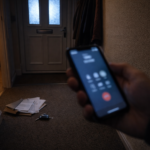
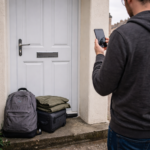
Stop using the item or area and put the trader in writing today with a clear deadline to return and make it safe. If nothing is done, unfinished or unsafe work usually gets worse and can leave the home harder to secure, heat, or insure. Keep everything factual and focus on safety, access, and a practical date for completion. If the trader still does not respond, move to a formal complaint and then the official small claims route.
Most people get further by setting out what is unsafe, what “finished” looks like, and what remedy is being asked for, rather than arguing about blame. Where there is an immediate risk, arranging a temporary safety fix and documenting it tends to protect the position later.
What the problem is
This comes up in the UK when a repair job is started and then left partly done, with something now unsafe: exposed wiring, a boiler casing left off, a door or window that no longer locks, a leak that has been “patched”, or a kitchen or bathroom left with sharp edges and loose fittings. It affects homeowners, tenants, and landlords, and it often appears after a first complaint has already been raised informally by text or phone and a promised return visit has slipped. It also commonly shows up after a partial response such as “waiting for parts” or “will be back next week”, followed by silence.
In many UK cases the customer has already paid a deposit or the full amount, or has paid for materials, and the trader is holding the job open without a firm date. Sometimes the work is technically usable but not safe, such as a temporary connection, missing isolation, or a repair that fails under normal use. The practical problem is not just inconvenience; it is that the unfinished state can create damage, void warranties, or make it harder to prove what was done and when.
Why this happens
Unfinished unsafe repair work usually happens because the job has become less profitable or more awkward than expected, so it gets pushed behind new bookings. Another common cause is poor scheduling: the trader starts multiple jobs, then relies on “snagging” visits that keep slipping. Where parts are involved, the trader may be waiting for delivery but does not keep the customer updated, or has not actually ordered what is needed.
There is also a strong incentive to avoid returning once payment has been taken, especially if the trader thinks the customer will accept a temporary fix. Some traders avoid putting anything in writing and keep communication vague so there is no clear commitment to a date or standard of finish. A typical organisational response pattern is that messages are answered quickly at first, then become slower and less specific once a return visit is requested.
When safety is involved, the trader may downplay the risk to avoid the cost of rework, or may claim the issue is “normal settling” or “outside the quote”. In practice, the longer the gap, the more likely it becomes that the trader will argue that someone else interfered with the work, so the early paper trail matters.
Your rights in UK
The practical position in the UK is that repair work should be carried out with reasonable care and skill, and the end result should be safe and fit for normal use. Where the work is unfinished or unsafe, the strongest leverage is usually a clear written request to put it right, paired with a reasonable deadline and a statement that the matter will be escalated if missed. Traders often respond better when the remedy is specific: complete the agreed scope, correct the unsafe element, and confirm in writing what has been done.
If the trader refuses or keeps delaying, the next practical lever is to obtain an independent opinion and a priced quote to put it right, then seek recovery of the reasonable cost. This tends to work best when the customer has given a fair chance to return, unless the risk is immediate. Where payment was by card, a parallel route sometimes exists through the card provider, but the day-to-day pressure usually comes from a formal complaint and the prospect of a court claim for the cost of rectification.
It also helps to separate “making safe” from “finishing”: a temporary safety fix can be arranged to prevent harm or damage, while still holding the trader to account for the final standard. In many UK disputes, the outcome turns on whether the customer acted reasonably, kept evidence, and avoided making the situation worse.
Official basis in UK
The most direct official route for recovering money for unfinished or unsafe repair work is the small claims process in the County Court (Money Claim Online). It works in practice by requiring a clear written claim for a specific amount, backed by evidence such as the original agreement, photos, and an independent quote for putting the work right. Before starting, the trader should be given a final written chance to resolve the issue, because the court expects reasonable attempts to settle.
Money Claim Online is designed for straightforward consumer disputes where the remedy is usually the cost of completing or correcting the work, plus any directly related losses that can be evidenced. The process is document-led, so the quality of the timeline and supporting documents often matters more than long arguments about what was said on the phone. GOV.UK guidance on making a court claim explains where to start and what information is needed: GOV.UK guidance.
Evidence that matters
Evidence is usually strongest when it shows three things: what was agreed, what was done, and why the current state is unsafe or unfinished. Collect documents that show the scope and price, and capture the condition as it is now before anyone alters it. If there is a safety risk, record what makes it risky in practical terms (for example, exposed live parts, water ingress, inability to lock, unstable fittings), without exaggeration.
Do not edit photos in a way that could be questioned later, and do not rely on verbal promises. Keep communication in one place where possible, and confirm phone calls by sending a short follow-up message summarising what was said and the date promised.
Checklist to gather:
- Original quote, invoice, or written scope (including messages agreeing the job).
- Photos and short videos showing the unfinished or unsafe parts, dated where possible.
- Proof of payment (bank transfer, card receipt, or cash receipt).
- A timeline of contacts and missed appointments (screenshots are fine).
- An independent quote to make safe and complete the work, if available.
Three common mistakes seen in UK cases are paying the final balance to “keep things friendly” before the job is safe, letting another trader redo everything without documenting what was wrong first, and sending angry or threatening messages that distract from the safety and completion issue.
One thing not to do yet is to post accusations on local social media groups before the evidence pack and written complaint are in place, because it can harden positions and complicate settlement.
Steps to take next
Start with a written notice that is calm, specific, and time-limited. State what is unsafe or unfinished, what outcome is required, and when access can be provided. Ask for a written confirmation of the return date and what will be done to make the work safe and complete.
Send written notice
Send an email or message that can be saved, and include photos. Give a reasonable deadline for a return visit, and make clear that if the deadline is missed the next step will be a formal complaint and then a claim for the cost of putting the work right. If there is an immediate risk, say that a temporary make-safe visit may be arranged and the cost will be included in any claim.
Arrange make-safe
If the situation is dangerous or causing ongoing damage, arrange a limited “make safe” fix from a qualified person and keep it as narrow as possible. Ask for a brief written note of what was found and what was done, and keep the replaced parts if practical. This usually reduces the chance of the trader later arguing that the issue was minor or unrelated.
Use official claim
If the trader does not respond or refuses to return, prepare to use the official Money Claim Online process rather than informal templates from social media. The official claim is started through GOV.UK, and it helps to have the amount clearly calculated (for example, the independent quote to correct and complete, plus any evidenced make-safe cost). Prepare the key details before starting: the trader’s correct name and address, the date the work was agreed, what was paid, what was left unsafe or unfinished, and what was requested in writing.
Checklist to prepare for the official process:
- Trader’s legal name, trading address, and any company number shown on invoices.
- The exact amount being claimed and how it is calculated.
- Your written notice and any replies, saved as screenshots or PDFs.
- Photos/videos and the independent quote(s) for rectification.
- Dates of key events: start date, last attendance, and deadlines given.
The normal timeframe is that a trader who intends to engage will respond within a couple of weeks of a clear written deadline, and if a court claim is issued the process then moves on set court timescales. If there is no response to the written deadline, escalate by sending a final letter or email marked as a last chance to resolve, then start the claim through the official GOV.UK route with the evidence attached or ready to upload as required. When the trader replies with partial offers or vague promises, change strategy by insisting on a dated plan for completion and a written confirmation of what “finished” includes, or proceed with the claim based on the independent quote if deadlines keep being missed.
A typical real UK outcome is that the trader agrees to a partial refund or pays towards another contractor once the evidence and a formal deadline are put in writing.
Related issues on this site
If the unfinished work is in a rented home and the landlord is responsible for the underlying repair, the next steps can look different and it may be more effective to treat it as a repair and safety issue with the landlord rather than a dispute with the contractor. Where payment was made by card and the trader has stopped responding, it can also be worth considering the separate problem of recovering money through the payment method alongside the complaint timeline. See landlord not fixing repairs if the property is rented, or chargeback card payment problem if the payment route may help.
Get help with the next step
Contact UKFixGuide — Share the trader’s last message, what is unsafe, and the deadline already given so the next letter is consistent with the evidence.