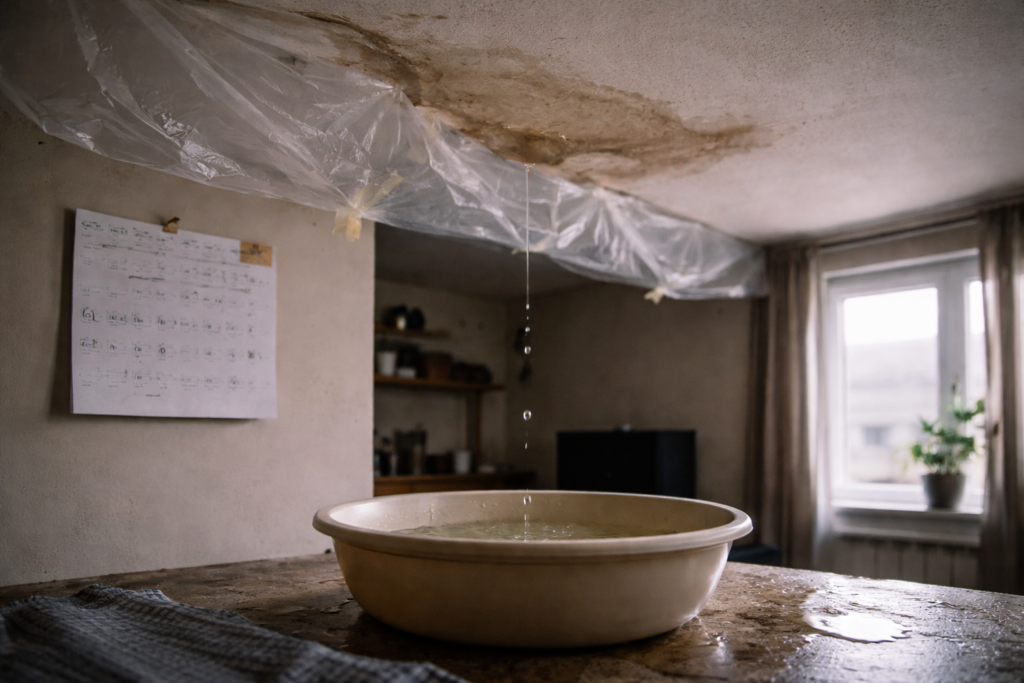
Reply to the council in writing today, ask for the decision to be reviewed, and request a clear timescale for the next inspection or action. If nothing is done, the repair problem usually drifts for months and can get worse, leaving the tenant stuck chasing updates. Keep the message factual, attach photos, and ask the council to confirm what it expects the landlord to do and by when. If the council still treats it as non-urgent, move to the formal complaints route and ask for a written outcome you can rely on.
Most people get further once the council is pushed to put its position in writing and explain why it will not act sooner. A clear paper trail also helps if the situation later becomes urgent or the landlord disputes what was reported.
What the problem is
This comes up when a tenant reports disrepair to the local council and is told the issue is “not urgent” or “not a priority”, even though it is affecting daily living. It often affects private renters in England and Wales, especially where the landlord is slow to arrange repairs or keeps promising a contractor “next week”. The sticking point usually appears after an initial call or online report, when the council triages the case and either does not inspect quickly or inspects and then decides no urgent action is needed.
It also appears after a partial response, such as the council acknowledging the report but saying it will “monitor” or “advise the landlord” rather than taking formal steps. Tenants tend to notice the impact most when the problem is ongoing (damp, leaks, broken heating, unsafe electrics, pest entry points) and the council’s timescales do not match the reality of living with it.
Why this happens
Councils triage housing reports because environmental health and housing enforcement teams have limited capacity and must prioritise immediate hazards. A repair can be serious to live with but still be classed as non-urgent if it is not seen as an immediate risk, if access is needed to confirm the hazard, or if the evidence provided is thin. Another common cause is that the council expects the landlord to act voluntarily first, so it starts with informal contact and only escalates if the landlord fails to comply.
Landlords and managing agents often respond to early council involvement by offering vague plans, requesting more time, or doing small “patch” works that do not fix the underlying issue. A typical organisational pattern is that the council closes or parks cases unless the tenant keeps reporting changes and provides fresh evidence that the risk is continuing.
Delays also happen when the council needs the tenant to allow access for inspection, when the report is made by someone who is not the tenant, or when the issue is described in general terms (“mould everywhere”) without dates, locations, or photos. Where the problem is intermittent (leaks only during rain, heating failing at certain times), the council may not see it on the day and may down-grade the priority unless the pattern is documented.
Your rights in practice
The practical position is that a tenant does not have to accept a vague “not urgent” label without reasons, especially where the issue affects health, safety, or basic facilities. The most effective leverage is to ask for the council’s decision in writing, the category it has applied, and what evidence would change that decision. Councils tend to respond better when the report is specific: what is broken, where it is, when it started, what the landlord has done, and what the impact is day to day.
It usually helps to separate two tracks: the landlord’s repair duty and the council’s enforcement role. The council is not there to manage the landlord’s contractors, but it can inspect and, where appropriate, require action. If the council will not act quickly, the tenant can still press the landlord directly, and the council can be asked to confirm what it has told the landlord and what it expects next.
Where there is a risk of retaliation or the tenant is worried about the tenancy being ended, it is still sensible to keep communications calm and factual and to avoid threats. What tends to work is persistence, clear evidence, and a request for a review rather than an argument about whether the council “should” care.
Legal or official basis
The council’s housing enforcement work is usually carried out under the Housing Health and Safety Rating System (HHSRS), which is the framework used to assess hazards in residential property and decide what action is appropriate. In practice, this means the council looks at the likely harm and who is exposed, then decides whether to inspect, what priority to assign, and whether to take informal or formal steps with the landlord. When asking for a review, it helps to frame the request around the hazard and the impact rather than the inconvenience alone, and to ask what would trigger a re-assessment.
For the council’s own explanation of how it assesses hazards and uses HHSRS in enforcement work, use this official page: GOV.UK guidance.
Evidence that matters
Evidence needs to show three things: the condition, the timeline, and the impact. Councils tend to act faster when there is a clear record that the landlord has been notified, has had a reasonable chance to respond, and the problem is still present. Photos help, but so do short notes that explain what the photo shows, where it was taken, and the date. For intermittent issues, a simple log is often the difference between “not urgent” and “needs inspection”.
Keep copies of every message to the landlord or agent, including repair portal submissions, texts, and emails. If contractors have attended, keep appointment confirmations and any “no access” claims, because councils often rely on whether access has been offered. For heating or hot water problems, keep thermostat settings, error codes, and any engineer notes. For damp and mould, record ventilation steps taken and whether the issue is linked to a leak or building defect, because councils often ask whether it is lifestyle-related.
What not to do: do not stop paying rent as a way to force repairs, because that usually creates a separate problem and can weaken the tenant’s position. Also avoid editing photos in a way that could be challenged; keep originals. One thing not to do yet is to pay for major works yourself and deduct it from rent, because that can backfire unless the route is clearly agreed and documented.
Quick checklist
- Dated photos and short captions showing location and severity
- A timeline of reports to the landlord/agent and their replies
- Any contractor notes, missed appointments, or access offered
- A short impact log (sleep disruption, rooms unusable, safety concerns)
Common mistakes
First, reporting the issue only by phone and having no written record of what was said. Second, sending lots of messages but not stating the key facts (start date, location, what has already been tried). Third, assuming the council will chase the landlord without being asked for a written decision and a next step.
What to do next
Send written reply
Reply to the council by email or its online portal and ask for a written explanation of why the issue is classed as not urgent, what category it has been placed in, and what would cause it to be re-triaged. Attach a small set of the clearest evidence (a few photos, a short timeline, and any landlord replies). Ask for the next action and date, such as an inspection appointment window or a date when the case will be reviewed again.
Update the landlord
Send the landlord or agent a calm message confirming the repair is still outstanding, attaching the same evidence, and asking for a firm date for attendance and completion. If the council has said it will not act urgently, ask the landlord to confirm what temporary measures will be put in place while waiting for permanent repair (for example, safe heating provision, leak containment, or making a room safe). Keep the request specific and time-bound.
Ask for review
If the council’s response is vague, ask for the decision to be reviewed by a senior officer or team leader and request that the case notes record the impact and the landlord’s lack of progress. Where the issue relates to loss of heating or hot water, the situation often needs a different approach and evidence set; if that is the problem, use the decision point described in Boiler broken and landlord not responding to align the timeline, the landlord message, and what to ask the council to do next.
Use complaints route
If there is still no clear next step, use the council’s official complaints process rather than informal chasing. The complaints page is normally found by searching the council name plus “complaints” and selecting the official council website result; submit the complaint through the official form only and keep the reference number. Prepare the complaint around what was reported, when, what evidence was provided, what decision was given (“not urgent”), and what outcome is being requested (inspection date, written hazard assessment summary, or a review decision).
For most councils, a first-stage complaint response is normally expected within 10 to 20 working days, though this can vary by council and complexity. If there is no response by the stated deadline, escalate by replying to the complaint acknowledgement (or using the same complaints portal) requesting escalation to the next stage, attaching the original complaint and the missed deadline. If the council replies but still does not give a clear action or timescale, change strategy by asking for the specific evidence threshold for re-triage and then supplying that evidence in one bundle rather than drip-feeding updates.
One sentence that reflects what is usually resolved in UK cases: The issue is usually resolved once the council books an inspection and the landlord realises a written enforcement decision may follow.
FAQ and quick checks
Urgency review request
A council not urgent decision review request works best when it asks for the category used, the reasons, and what evidence would change it. Keep it short and attach only the clearest proof.
Inspection waiting time
A council inspection waiting time for rental repairs depends on triage and access, so asking for a date range and a named team is practical. If the council will not give any timeframe, move to the formal complaints route.
Landlord stalling tactics
Common landlord stalling tactics after council contact include vague contractor promises and repeated requests for more time without dates. Ask for a booked appointment and written confirmation of what will be fixed.
Rent withholding risk
The rent withholding risk in disrepair disputes is that arrears can build and distract from the repair issue. Keep rent payments normal while pushing the written evidence trail and complaints process.
Before you move on
Save a single folder with the council reference, landlord messages, photos, and a one-page timeline, then send the review request and set a diary date for the complaint deadline. The pressure dynamic here is time pressure caused by living with the problem while waiting for a council timescale that may not match daily needs.
Get help with the next step
Contact UKFixGuide — Share the council’s wording for “not urgent” and the repair timeline so the next message can ask for the right review and inspection outcome.