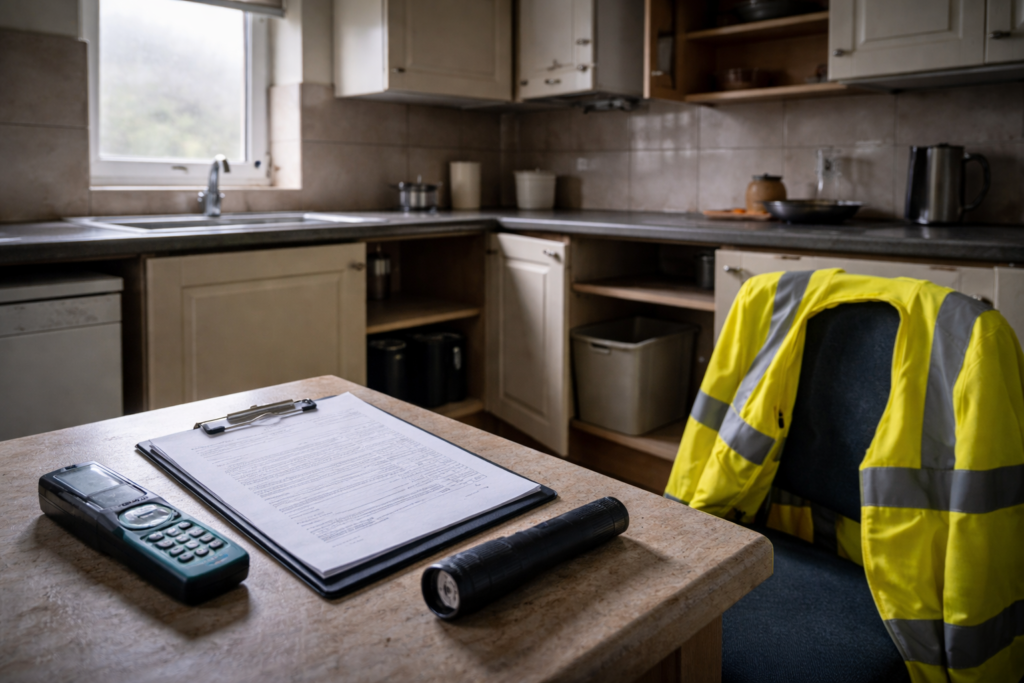
What it looks like at home
A council inspection for a rented home in the UK usually shows up as a letter, email, or phone call saying an Environmental Health Officer (or a housing standards officer) wants to visit. Often it follows a complaint about damp, mould, cold, disrepair, pests, overcrowding, or safety issues. In many households the first sign is a sudden change in the landlord’s behaviour: urgent requests to “tidy up”, pressure to cancel the visit, or a promise that repairs will be done “next week” if the council is kept out.
Tenants commonly worry the inspection will lead to eviction, rent increases, or a hostile relationship. In practice, councils focus on hazards and legal standards, not on blaming tenants for normal living. Where there is a genuine hazard (for example, persistent mould linked to poor ventilation and cold surfaces, or unsafe electrics), the inspection often triggers a formal process that pushes repairs forward.
How council inspections usually work
Expect a booked visit
Most inspections are arranged for a specific date and time. The officer may ask for access to all rooms, the loft hatch, boiler cupboard, meter cupboards, and any outbuildings. Photos and notes are normal. If there are children, older people, or health conditions affected by the issue, councils often record that because it affects risk scoring.
Know what they assess
Councils typically use the Housing Health and Safety Rating System (HHSRS) to assess hazards such as damp and mould growth, excess cold, fire risks, electrical hazards, falls, and sanitation. The outcome can range from informal advice to the landlord, through to a hazard notice requiring specific works by a deadline.
Understand possible outcomes
Common outcomes include: an informal schedule of works; an Improvement Notice; a Hazard Awareness Notice; an Emergency Remedial Action in urgent cases; or referral to other teams (for example, building control or private sector housing enforcement). Many cases end with a clear list of repairs and a follow-up visit to confirm completion.
Likely triggers and causes
Start with damp patterns
The most common trigger is damp and mould that keeps returning after cleaning. In UK rentals this is often a mix of cold bridging (cold external walls, corners, window reveals), inadequate ventilation (no working extractor fans, sealed trickle vents), and inconsistent heating due to cost. Leaks from gutters, roofs, or plumbing can sit behind plaster for months and present as “mould” until the source is found.
Check heating reliability
Repeated boiler breakdowns, no fixed heating in key rooms, or long gaps without hot water frequently lead to council involvement, especially in winter. If there is no heating right now, use No heating in rental — emergency steps to document the issue and take safe short-term measures while waiting for repairs.
Look for safety red flags
Loose sockets, scorch marks, frequent tripping, missing smoke alarms, damaged fire doors, and unsafe stairs are common reasons for an inspection. Councils tend to act faster where there is a clear risk of injury or fire, or where previous repair requests were ignored.
Consider access and notice disputes
Sometimes an inspection is triggered after repeated access disputes: a landlord insisting on entry at short notice, or turning up unannounced to “check the damp”. If that has happened, keep a timeline and consider reading Landlord entered property without notice so the access issue does not derail the repairs discussion.
Prepare without making it worse
Gather a simple evidence pack
Typical evidence that helps: dated photos of the problem (wide shot and close-up), short videos showing leaks or boiler faults, copies of messages to the landlord/agent, and notes of when issues started. If mould is involved, include photos after cleaning to show it returns, and any dehumidifier readings if available.
Write a room-by-room list
Make a brief list by room: what is wrong, when it happens, and what has already been tried. Keep it factual (for example, “bedroom external corner damp to touch; black mould returns within 7–10 days after cleaning; window trickle vent painted shut”). This helps the officer move quickly and reduces misunderstandings.
Keep access straightforward
Clear the immediate area around the issue so it can be inspected safely (for example, move a wardrobe 10–15cm away from a mouldy wall). Avoid redecorating over stains or using anti-mould paint right before the visit, as it can hide the extent and slow down proper diagnosis.
Record health impacts carefully
If anyone has asthma, allergies, recurring chest infections, or sleep disruption due to cold, note it with dates and any GP or pharmacy evidence. Councils do not need a full medical history, but they do take vulnerability into account when prioritising action.
Step-by-step fixes to try
Check ventilation basics
Test extractor fans in the bathroom and kitchen. If a fan is noisy but weak, or does not run long enough, note it. Check trickle vents on windows (if present) and ensure they open. Where safe, keep internal doors closed during showers and cooking, and use lids on pans. These steps rarely solve a building defect, but they can reduce condensation while waiting for repairs.
Rule out hidden leaks
Look for water staining under windows, around skirting boards, and on ceilings below bathrooms. Check the boiler pressure drops repeatedly (a common sign of a leak). If there is a musty smell in one spot, press gently on plaster for softness. Report suspected leaks promptly in writing, because councils often ask what was reported and when.
Confirm heating controls work
Check the programmer, thermostat, and radiator valves. A stuck thermostatic radiator valve can leave a room cold even when the boiler runs. If the boiler is short-cycling, showing fault codes, or losing pressure, photograph the display and note the time and conditions.
Test smoke and CO alarms
Press the test button and record whether alarms sound. If there is a gas boiler, check for a carbon monoxide alarm near the appliance (not directly above it). Missing or non-working alarms are straightforward for councils to act on and often lead to quick compliance.
Stop unsafe DIY
Avoid sealing vents, blocking air bricks, or using unvented gas heaters indoors. Avoid painting over mould without addressing moisture, as it often returns and can make the inspection look “intermittent” rather than persistent. Keep receipts for any temporary measures bought due to disrepair (for example, electric heaters), as they can support a later complaint.
If it gets ignored
Expect problems to spread
In typical UK rentals, unresolved damp often spreads to adjacent walls, behind furniture, and into soft furnishings. Condensation can damage window frames and plaster, and persistent moisture can worsen dust mites and respiratory symptoms. Leaks left untreated can lead to ceiling collapse, blown plaster, and electrical risk where water tracks near fittings.
Watch for relationship fallout
When repairs drag on, communication often becomes fragmented: different contractors, missed appointments, and repeated requests for the same photos. Tenants sometimes stop reporting issues because it feels pointless, which can later be used to argue the landlord “wasn’t aware”. Keeping a clear written trail usually prevents that.
Plan for longer timelines
Council enforcement can take time, especially where landlords dispute the cause or propose minimal works. Follow-up visits are common. Where the hazard is serious, councils can act faster, but many cases still involve weeks of scheduling, quotes, and re-inspections.
When to escalate properly
Ask for the inspection notes
After the visit, request confirmation of what was found and what the next steps are. If the council issues a notice, keep a copy and note deadlines. If the council takes an informal approach, ask what evidence would trigger formal action if repairs do not happen.
Keep communication in writing
Send the landlord/agent a short email summarising the council visit date, the issues raised, and any expected works. Attach a few key photos. Written communication tends to reduce later disputes about access, timing, and what was agreed.
Collect contractor evidence
If contractors attend, record arrival times, what was inspected, and what was said. If a contractor claims “tenant lifestyle” is the cause, ask what checks were done (moisture readings, ventilation flow, leak testing). Councils often respond better to specifics than to general statements.
Use the right support routes
For official information on housing standards and enforcement routes, use GOV.UK guidance. For practical help with complaints, letters, and next steps if relations break down, use Citizens Advice.
FAQ
Can a tenant refuse access?
Access usually needs to be agreed, but refusing repeatedly can slow repairs and complicate enforcement. If access times are unreasonable, propose alternatives in writing and keep a record.
Will a council inspection cause eviction?
A council visit does not automatically lead to eviction. Problems sometimes arise where a landlord reacts badly, so keeping evidence and getting advice early is sensible.
Should the landlord be present?
It varies. Some councils prefer the tenant present so issues can be shown clearly. If the landlord attends, keeping the discussion factual helps the officer focus on hazards and remedies.
What if the problem is mould?
Expect the council to look at ventilation, heating, insulation, and any leaks. Photos showing repeated return after cleaning, plus evidence of cold spots or broken fans, usually helps.
How long do repairs take after…
Timescales vary by hazard and contractor availability. Many notices set deadlines in weeks rather than days, with faster action where there is an immediate risk.
Before you move on
Put together a dated photo set, a short room-by-room list, and a single timeline of reports and responses, then send one clear message to the landlord/agent confirming what the council is inspecting and asking for proposed repair dates. If you felt pushed to act quickly or told there was no time, that’s often a sign the process wasn’t handled properly.
Get help with the next step
If the inspection is coming up or the follow-up is stalling, use https://ukfixguide.com/contact/ to share the basics and get practical next-step support.



1 thought on “Council inspection for rental property”