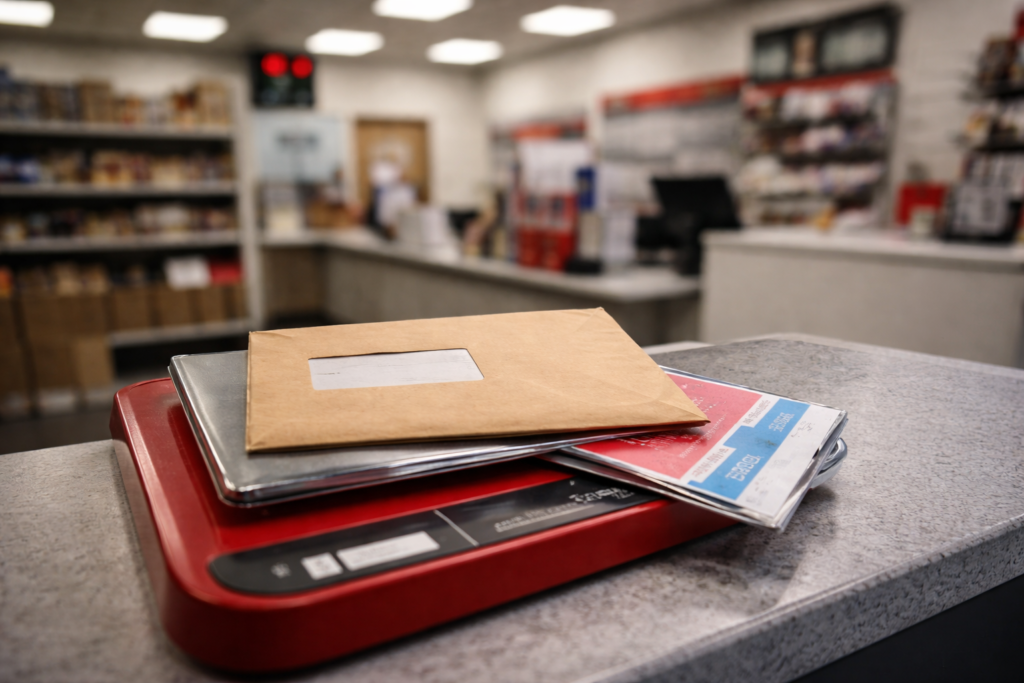
A DVLA wrong address issue usually shows up indirectly. A V5C log book arrives for an old address, or does not arrive at all after a move. A driving licence renewal goes missing. A parking charge notice or speeding notice turns up late, forwarded by a previous occupier, or appears only when a debt letter arrives. In many UK cases, the first clear sign is a reminder or enforcement notice that assumes earlier letters were ignored.
Common patterns include: a recent house move, a new tenancy with shared post areas, a name mismatch on the letterbox, or a change made online that was assumed to update everything. Another frequent scenario is updating the driving licence address but forgetting the vehicle log book (V5C), which is separate. People often discover the mismatch when trying to tax the vehicle, sell it, or insure it and the details do not line up.
Why it happens most often
Mix up licence and V5C
The most common cause is updating only one record. The driving licence address and the V5C registered keeper address are different systems. Updating a licence does not update the V5C, and vice versa. UK households often assume a single change covers both, especially after using the online service.
Move timing and post gaps
Address changes made around moving day can be derailed by missed post, delayed redirection, or incomplete handover with the previous occupier. If the V5C is posted to the old address and never forwarded, the DVLA record may be correct but the document is lost, leaving no proof of what was changed and when.
Typos and formatting
Small errors matter: wrong postcode character, flat number omitted, building name swapped with street, or a new-build address not matching Royal Mail formatting. These issues often lead to letters being returned or delivered to a neighbour, and the DVLA record may still show as “updated” even though post does not arrive.
Keeper details not updated
Vehicles bought privately can carry over the previous keeper’s address if the V5C was not completed correctly or the change was not processed. This is common when a sale happens quickly, the green slip is relied on for too long, or the seller posts the form late.
Third-party admin errors
Some people rely on a dealership, fleet admin, or lease company to handle changes. Mistakes happen: the wrong vehicle is updated, a previous address is used from an old record, or a change is made for the finance account but not the DVLA keeper record.
Fix it step by step
Check what needs changing
Confirm which item is wrong: driving licence address, V5C address, or both. If post is missing, assume both could be affected until confirmed. Also check whether the vehicle is taxed and whether any reminders have been missed.
Gather basic evidence
Have the following ready: current address details exactly as Royal Mail uses them, driving licence number, vehicle registration, and the V5C document reference number if available. If the V5C is missing, note when it was last seen and any proof of moving date (tenancy agreement completion date, council tax start date, or a utility opening bill).
Update the driving licence
Change the driving licence address using the DVLA service via GOV.UK guidance. The licence update is free for address changes. After the change, keep a screenshot or confirmation email if provided, and note the date and time. If the photocard is due to expire soon, deal with that separately so the address change does not get lost in a renewal process.
Update the V5C address
Update the V5C registered keeper address as a separate action. If the V5C is in hand, use the DVLA process for changing keeper details. If the V5C is missing, request a replacement and update the address as part of that process. In UK cases, the V5C is the key document that links enforcement notices to an address, so prioritising this tends to reduce future problems.
Confirm vehicle tax status
Check whether the vehicle is currently taxed and whether any reminders might have gone to the wrong address. If the vehicle is untaxed and should be taxed, resolve that promptly to avoid penalties. If the vehicle is off the road, confirm SORN status and ensure the keeper address is correct so reminders and confirmations arrive.
Deal with missing letters
If a fine, penalty, or parking notice has appeared late, do not ignore it. Late discovery often means deadlines have already started. Gather proof of the address issue (move-in date, redirection confirmation, DVLA change confirmation) and contact the issuing body to explain that notices went to the wrong address. Many UK enforcement processes allow for a reset or review if there is clear evidence that documents were not received.
Check related household records
Address problems often cluster after a move. If other bills are also arriving wrong, it can help to cross-check the move date and the address format used across accounts. For example, a mismatch between flat number and building name can affect multiple organisations. If council tax has also gone wrong after moving, see Council tax bill wrong after moving for the typical fixes and evidence that tends to work.
Keep a simple timeline
Write down: the date of move, the date each DVLA change was submitted, when any missing post was noticed, and when any enforcement letters arrived. UK disputes often turn on dates, and a clear timeline reduces back-and-forth.
What happens if it’s ignored
Missed deadlines escalate
Speeding notices, parking enforcement, and certain penalties can move from an initial notice to higher charges if responses are not received in time. When letters go to an old address, the first letter is missed and the case can jump straight to reminders or enforcement stages. The amounts involved can increase quickly, and it becomes harder to challenge without evidence.
Insurance and sale problems
When the V5C address is wrong, selling a vehicle can stall because buyers expect the log book to match the seller’s details. Insurance claims and policy admin can also become messy if the address on key documents does not match where the vehicle is kept.
Tax and SORN penalties
If DVLA reminders go to the wrong address, it is common for people to miss tax renewal or SORN confirmations. Penalties can follow even when there was no intention to avoid paying, because the system assumes notices were delivered to the registered keeper address.
When to escalate
Act fast on enforcement
If a debt collection letter, enforcement notice, or court-related document arrives, treat it as urgent. Contact the issuing authority (not just the debt agent) and ask what stage the case is at, what deadlines apply, and what evidence is needed to review the address problem. Keep copies of everything sent.
Use clear proof
Evidence that usually helps in UK cases includes: tenancy agreement completion date, council tax liability start date, a utility opening statement, Royal Mail redirection confirmation, and DVLA change confirmation. If a previous occupier has been forwarding post, keep the envelope showing the original address and postmark where possible.
Get advice for disputes
If the situation involves penalties, court paperwork, or a refusal to reset a case despite proof of the wrong address, get independent help. Citizens Advice can help with understanding options and drafting responses, especially where deadlines and formal processes apply.
FAQ
Check if one change covers both
No. In most UK cases the driving licence address and the V5C address must be updated separately, and forgetting the V5C is the most common reason letters keep going to the old address.
Fix a missing V5C
Request a replacement V5C and update the keeper address at the same time. Keep a note of the request date so there is a record if further letters go missing.
Handle a late fine
Contact the issuing body immediately, explain that notices went to the wrong address, and provide a move date plus proof. Ask what process exists to review or reset the case due to non-receipt.
Use a different postal address
DVLA records should normally use the keeper’s address and the licence holder’s address. Using a “care of” address can create further problems if it does not reflect where the vehicle is kept or where the person lives.
Know how long updates take
Times vary, but delays are common around peak periods and after bank holidays. If post is unreliable, keep confirmation details and check progress through official channels rather than waiting for letters that may be misdelivered.
Before you move on
Write down the exact address format to use (including flat number and postcode), then submit separate updates for the driving licence and the V5C, keeping dated confirmation for both and a short timeline of any missing letters.
If you felt pushed to act quickly or told there was no time, that’s often a sign the process wasn’t handled properly.
Get help with the next step
If the address problem has already triggered penalties, missing documents, or repeated post failures, submit the key dates and what has been updated so far via https://ukfixguide.com/contact/ to get a clear next action.
2 thoughts on “DVLA wrong address issue”